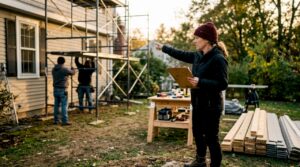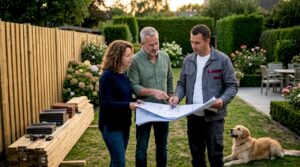
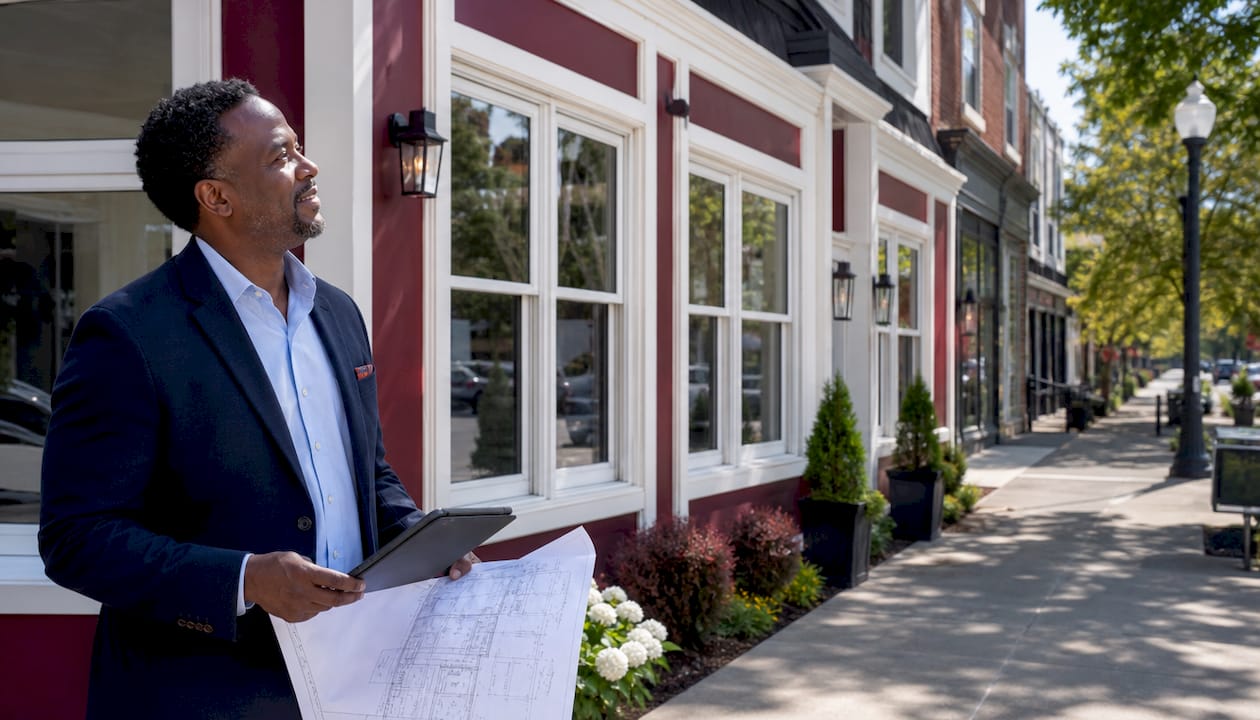
Commercial exterior remodeling is defined as the planned renovation of a building’s outer envelope, including roofing, siding, facades, entryways, and drainage systems, to improve value, function, and appearance. The benefits of commercial exterior remodeling extend well beyond aesthetics. Well-maintained exterior updates increase commercial property values by 5%–15% and reduce vacancy rates in multi-tenant buildings. Energy retrofits, modern siding, and improved drainage also cut operating costs and attract quality tenants. For business owners and property managers in Connecticut and beyond, these upgrades represent a measurable return on investment, not just a cosmetic refresh.
1. How commercial exterior remodeling boosts property value
Property value is the most direct financial benefit of exterior renovation. Exterior upgrades increase value by 5%–15%, a range that reflects the scope of work, material quality, and local market conditions. That gain translates directly to stronger sale prices, better refinancing terms, and lower cap rates for income-producing properties.
Multi-tenant buildings see an additional benefit: reduced vacancy. A well-maintained exterior signals to prospective tenants that the property is managed with care. Neglected facades, aging roofs, and cracked entryways do the opposite. They push tenants toward better-maintained alternatives, even when interior spaces are comparable.
Specific renovations drive the most value:
- Roofing replacement or repair: Protects the entire building envelope and is the first thing inspectors and buyers evaluate.
- Siding replacement: Modernizes appearance and improves insulation performance simultaneously.
- Entryway upgrades: Improve accessibility, security, and first impressions for tenants and customers.
- Facade repainting or cladding: Delivers visible transformation at a relatively low cost per square foot.
Buildings with deep energy retrofitting command a buyer premium of 13.5% compared to pre-retrofit condition properties. That premium reflects the market’s recognition that lower operating costs translate to higher net operating income and, therefore, higher asset value.
Pro Tip: When planning exterior upgrades for a multi-tenant property, prioritize roofing and siding first. These two systems protect everything else and deliver the strongest combination of value gain and vacancy reduction.
2. Enhancing curb appeal and brand image through exterior upgrades
Curb appeal is not a soft metric. First impressions form in about seven seconds, and exterior appearance is the primary driver of that judgment. For retail, medical, and professional service businesses, that seven-second window determines whether a potential customer walks in or keeps driving.
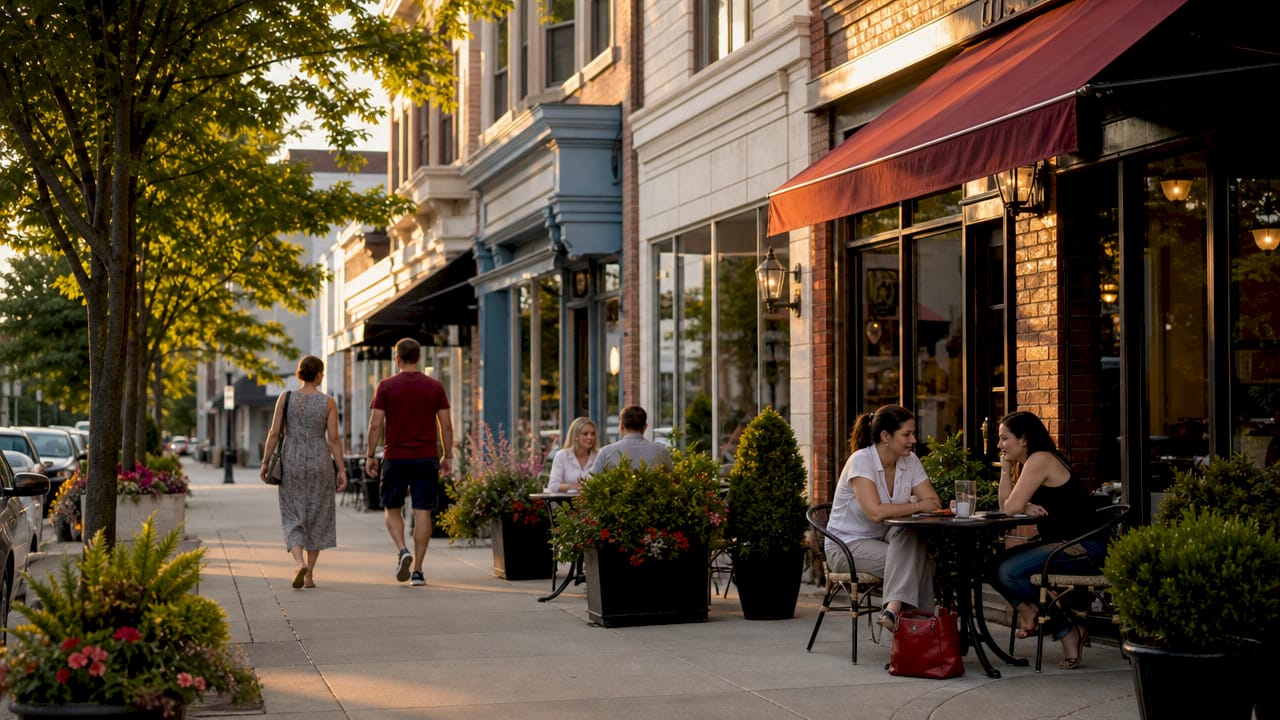
Exterior appearance functions as a psychological indicator of business quality. A faded facade, missing trim, or stained entryway signals neglect. Customers associate that neglect with the service they expect to receive inside. The connection is not rational, but it is consistent and well-documented in retail psychology research.
The elements that most directly drive curb appeal include:
- Roofing condition: Visible sagging, staining, or missing materials undermine confidence immediately.
- Facade color and finish: Fresh, coordinated color schemes communicate professionalism and attention to detail.
- Signage integration: Exterior signage that aligns with updated cladding and trim reinforces brand identity.
- Landscaping and hardscaping: Clean borders, maintained plantings, and repaired walkways complete the visual impression.
Foot traffic increases when a business exterior looks inviting and well-kept. For retail tenants, that foot traffic directly affects revenue. For property managers, higher foot traffic supports tenant retention because tenants in high-traffic locations renew leases at higher rates.
Pro Tip: Treat exterior color selection as a branding decision, not just an aesthetic one. Coordinate facade colors with your tenant’s signage palette to create a unified visual identity that reinforces both the property and the business inside it.
3. Energy efficiency and maintenance cost savings from exterior remodeling
Modern exterior systems deliver measurable reductions in energy consumption. Modern siding paired with proper insulation significantly reduces energy loss and supports sustainability goals that tenants and customers increasingly demand. Older siding systems, particularly those installed before current energy codes, allow thermal bridging that drives up heating and cooling costs year-round.
The maintenance savings are equally significant. Automated exterior cleaning methods reduce annual maintenance costs by approximately 49.21%. That reduction frees capital for other property improvements or flows directly to the bottom line.
| Upgrade Type | Primary Benefit | Secondary Benefit |
|---|---|---|
| Insulated siding | Reduced energy loss | Lower HVAC operating costs |
| Roof replacement | Waterproofing integrity | Improved insulation R-value |
| Window replacement | Thermal efficiency | Noise reduction |
| Automated cleaning systems | Lower maintenance costs | Extended material lifespan |
Durable modern materials also reduce the frequency of repairs. Fiber cement siding, for example, resists moisture, insects, and impact far better than older wood or vinyl products. That durability means fewer emergency repairs, less contractor coordination, and more predictable annual maintenance budgets.
Pro Tip: Request energy performance data for any siding or roofing product before specifying it. Manufacturers publish R-values and thermal resistance ratings that let you compare options on measurable performance, not just price.
4. Functional improvements: optimizing space use and operational efficiency
Exterior remodeling improves how a property functions, not just how it looks. Parking layout adjustments, improved entry flow, and upgraded outdoor business areas all affect daily operations for tenants and their customers. A property that is easy to access and navigate retains tenants longer than one that creates friction at every visit.
Treating roofing, siding, and drainage as interconnected systems prevents issues like mismatched finishes and localized leaks, improving longevity and overall value. When these systems are upgraded in isolation, problems migrate. A new roof over aging gutters, for example, will still allow water intrusion at the fascia. Coordinated upgrades eliminate these gaps.
Functional improvements that deliver the strongest operational impact include:
- Drainage system upgrades: Proper commercial gutter systems prevent water damage to foundations, parking areas, and building entrances.
- Entry accessibility: ADA-compliant ramps, automatic doors, and improved lighting reduce liability and expand the customer base.
- Outdoor work and gathering areas: Decks, patios, and covered entries extend usable space and improve employee satisfaction.
- Exterior lighting: Updated fixtures improve safety, extend usable hours, and reduce energy costs with LED technology.
Employee morale also responds to exterior conditions. Staff who work in a well-maintained building report higher job satisfaction than those in visibly deteriorating facilities. That satisfaction reduces turnover, which carries its own cost savings in recruitment and training.
5. Budgeting and planning for phased commercial exterior remodeling projects
Cost management is where most commercial exterior projects succeed or fail. Minor exterior repairs run $1,000–$5,000, while full-scale renovations for large properties reach $25,000–$150,000 or more. Understanding where your project falls in that range requires a thorough condition assessment before any work begins.
Budget 10%–15% contingency for unseen damage discovered during demolition, such as hidden rot or structural problems beneath surface materials. This contingency is not optional. Projects that skip it routinely exceed budget when substrate damage is revealed after cladding removal.
Phased exterior remodeling with off-hour scheduling and work zone segmentation keeps businesses operational during renovations. This approach is standard practice for occupied commercial properties. It requires more coordination but eliminates the revenue loss that comes from closing during peak hours.
Single-contractor management is the most effective way to coordinate a phased commercial remodel. A single contractor overseeing roofing, siding, and other trades prevents scheduling conflicts and insurance gaps that arise when multiple firms work the same site. For guidance on planning a siding replacement project, sequencing matters as much as material selection.
Proper sequencing means completing waterproofing and structural repairs before cosmetic upgrades. Painting a facade before fixing the underlying moisture barrier wastes money. The investment in cosmetic work is protected only when the structural layer beneath it is sound.
For Connecticut property owners, exterior renovation budgeting involves additional considerations around seasonal scheduling, local permit requirements, and material availability during peak construction periods.
Key Takeaways
Commercial exterior remodeling delivers the strongest return when roofing, siding, drainage, and facade upgrades are planned as a coordinated system rather than isolated repairs.
| Point | Details |
|---|---|
| Property value increase | Exterior upgrades increase commercial property values by 5%–15%, improving sale and refinancing outcomes. |
| Energy efficiency premium | Buildings with energy retrofits command a 13.5% buyer premium over pre-retrofit condition properties. |
| Phased execution | Off-hour scheduling and work zone segmentation keep businesses operational throughout renovation. |
| Contingency budgeting | Reserve 10%–15% of the project budget to cover hidden damage discovered during demolition. |
| Systems coordination | Treating roofing, siding, and drainage as one system prevents recurring issues and extends material life. |
What I’ve learned from watching commercial exterior projects go wrong
The most common mistake I see property managers make is treating exterior remodeling as a series of separate line items rather than one integrated project. They replace the roof in year one, repaint the facade in year two, and address the gutters in year three. Each decision looks reasonable in isolation. Together, they create a property where the systems never quite align, and the same problems keep returning.
The second mistake is underestimating the seven-second rule. Property managers who have managed a building for years stop seeing what a first-time visitor sees. They have normalized the faded trim, the cracked entry concrete, and the stained soffit. A prospective tenant or customer has not. That gap between familiarity and fresh perception costs real money in lost leases and reduced foot traffic.
Phased remodeling, done correctly, is not a compromise. It is a discipline. The projects I have seen executed well share one characteristic: a single contractor who owns the schedule, the sequencing, and the coordination between trades. When roofing, siding, and drainage are managed by one team, the work flows in the right order and the finished product holds together as a system.
The long-term view is what separates property owners who build wealth through their commercial assets from those who spend the same money on recurring repairs. Exterior remodeling is not maintenance. It is investment. The difference shows up in property value, tenant quality, and operating costs over a five to ten year horizon.
— Adam
Jsignorexteriors: commercial exterior services for Connecticut properties
Jsignorexteriors has served Connecticut businesses and property managers for more than 30 years, specializing in roofing, siding, gutters, windows, and masonry for commercial properties. Every project is managed by a single team from assessment through completion, which eliminates the scheduling conflicts and coordination gaps that drive cost overruns on multi-trade exterior projects.
Whether you are planning a phased exterior refresh for an occupied retail center or a full envelope replacement for a commercial building, Jsignorexteriors delivers licensed, insured work on time and within budget. Explore commercial roofing services in Connecticut or review siding installation options to see how a coordinated exterior approach can protect and grow the value of your property.
FAQ
How much does commercial exterior remodeling cost?
Minor exterior repairs typically run $1,000–$5,000, while full-scale renovations for large commercial properties reach $25,000–$150,000 or more. Always budget an additional 10%–15% contingency for hidden damage discovered during demolition.
What is the return on investment for commercial exterior upgrades?
Well-executed exterior renovations increase commercial property values by 5%–15%. Buildings with energy-efficient exterior retrofits command an additional buyer premium of 13.5% over pre-retrofit condition.
How do you remodel a commercial exterior without closing the business?
Phased execution with off-hour scheduling and work zone segmentation keeps businesses fully operational during renovation. A single contractor managing all trades is the most effective way to coordinate this approach without revenue disruption.
Which exterior upgrades deliver the strongest curb appeal improvement?
Roofing condition, facade color, entryway accessibility, and signage integration have the greatest impact on first impressions. Customers form judgments about a business within seven seconds of seeing the exterior.
Why should roofing, siding, and drainage be upgraded together?
Treating these systems as interconnected prevents mismatched finishes, localized leaks, and recurring moisture issues. Upgrading them in sequence, with structural and waterproofing work completed before cosmetic finishes, protects the full investment.