Premature commercial roof failure is defined as significant structural or membrane deterioration that occurs well before a roof reaches its rated lifespan, and it is caused primarily by preventable factors like neglected maintenance, faulty installation, and poor drainage. Property owners and facility managers who understand these causes can stop small problems from becoming expensive structural crises. Every $1 spent on preventive maintenance saves roughly $4 in emergency repairs, and routine care can extend a roof’s life by up to 50%. The good news is that most of the reasons why commercial roofs fail prematurely are entirely within your control.
What are the primary causes of premature commercial roof failure?
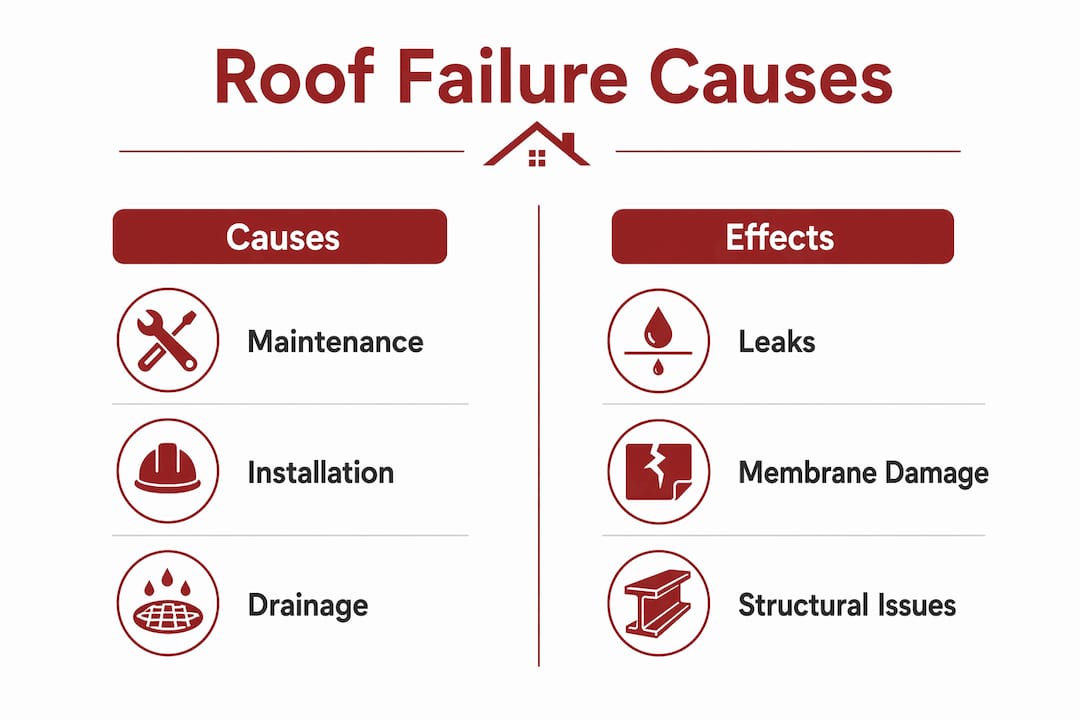
Commercial roof failure rarely happens overnight. It results from a cascade of interacting stressors including thermal movement, moisture intrusion, and poor detailing working together over time. Understanding each cause gives you a clear target for prevention.
The most common causes of early roof deterioration include:
- Lack of routine maintenance. Skipping inspections lets minor cracks, loose seams, and clogged drains escalate into major structural damage. Maintenance neglect is the single leading driver of shortened commercial roof lifespan.
- Faulty installation. Misaligned seams, loose flashing, and improper fastening create weak points from day one. Installation flaws frequently manifest within the first 5 years, often doing more damage than the material choice itself.
- Drainage failures. Flat and low-slope roofs depend on precise drain placement and slope to move water off the surface. When drainage fails, water pools and accelerates membrane breakdown.
- UV and weather exposure. Prolonged sun exposure degrades membrane materials, while freeze-thaw cycles in Connecticut winters open seams and crack sealants.
- Rooftop equipment damage. HVAC units, satellite dishes, and other rooftop installations create penetrations. Unsealed penetrations from rooftop equipment represent the largest single risk to membrane integrity.
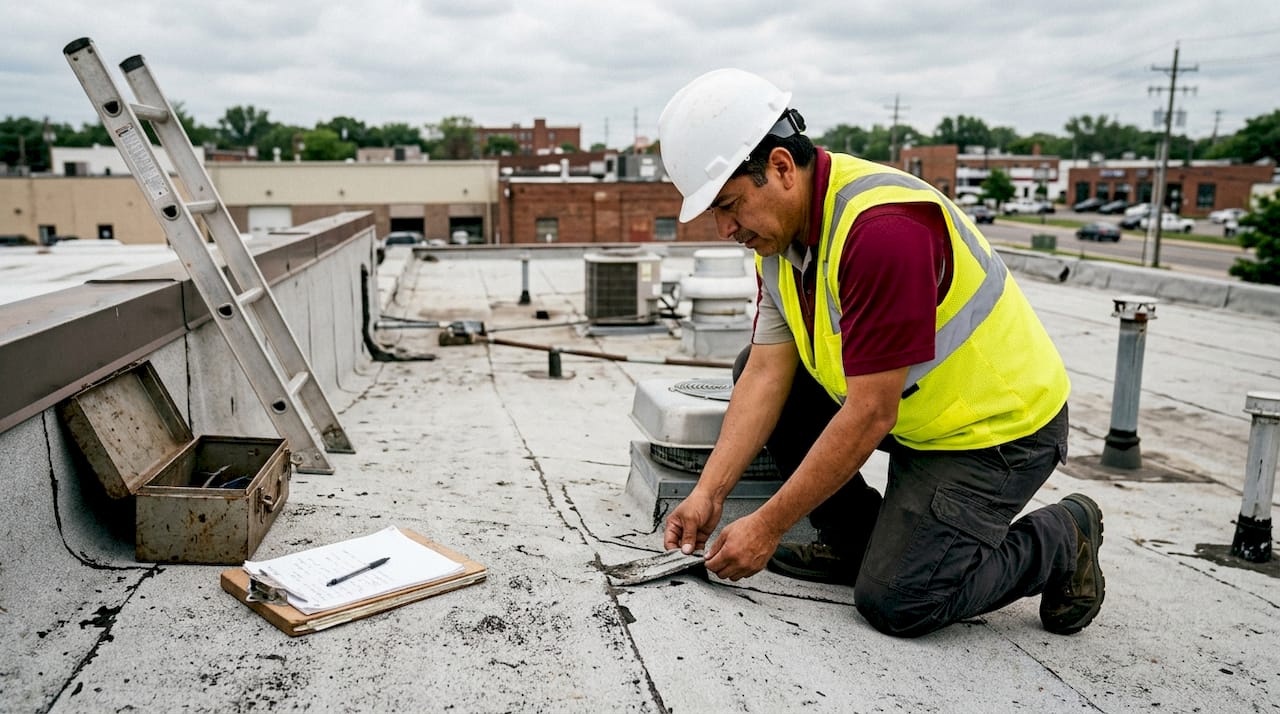
Pro Tip: Schedule a roof walk after every major storm. Wind-driven debris and hail create punctures that are invisible from the ground but allow water to enter immediately.
How does poor roof maintenance accelerate premature failure?
Maintenance affects commercial roof longevity more than material choice alone. The “set it and forget it” mindset is the most common reason facility managers find themselves facing full replacements decades ahead of schedule. A roof is an active system that needs ongoing attention, not a one-time installation.
The consequences of neglect follow a predictable pattern:
- Clogged drains collect standing water. Water that sits longer than 48 hours begins breaking down the membrane and saturating insulation below it.
- Small punctures grow into leaks. A half-inch puncture from a dropped tool or wind-blown branch becomes a water entry point that widens with every rain cycle.
- Sealant around flashings dries and cracks. Flashing is the metal or membrane material that seals roof edges, vents, and penetrations. When sealant fails there, water enters the building envelope directly.
- Trapped moisture causes blistering. Surface blisters and cracks often mask deeper moisture intrusion. Cosmetic repairs without addressing the underlying cause fail quickly and repeatedly.
- Warranty coverage lapses. Most commercial roofing warranties require documented annual professional maintenance. Failure to comply voids coverage even when a material defect is present.
Semi-annual inspections, ideally in spring and fall, catch the majority of these issues before they compound. Prompt repairs of small problems cost a fraction of what emergency structural work demands.
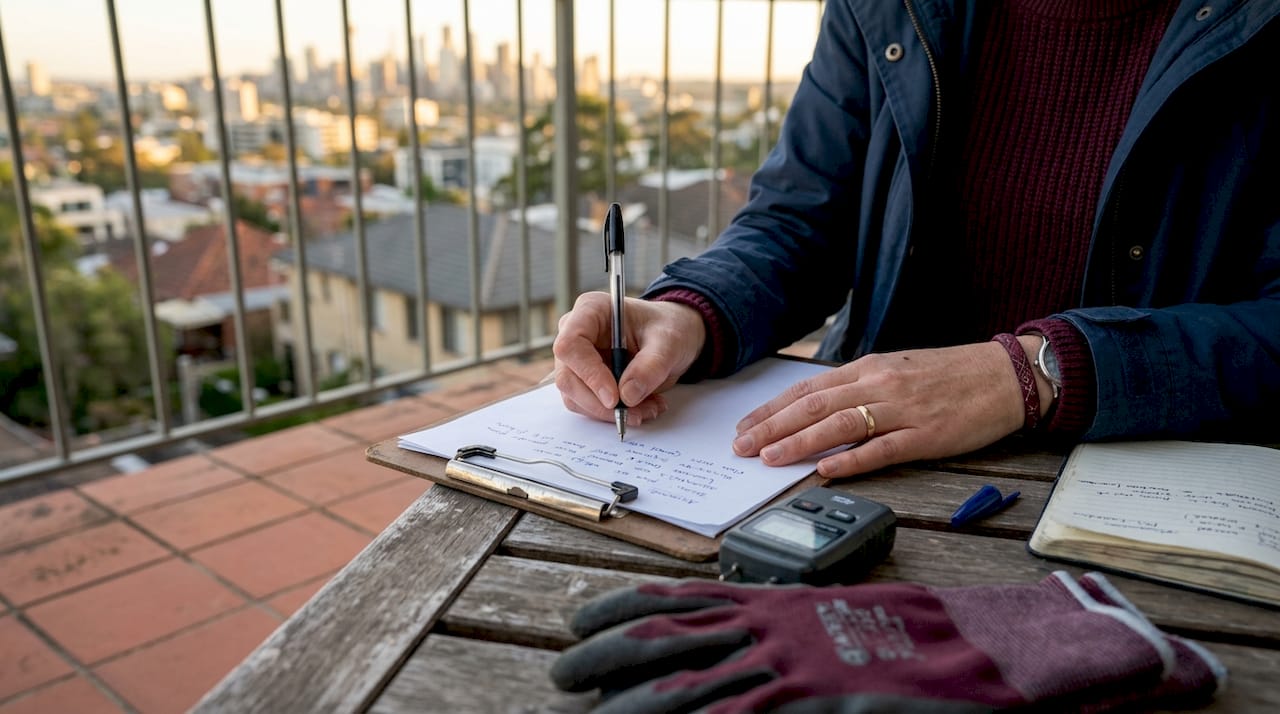
Pro Tip: Keep a written maintenance log with dates, photos, and repair notes. This documentation protects your warranty and gives any contractor a clear picture of your roof’s history.
In what ways does faulty installation contribute to early roof failure?
Poor workmanship undermines even the highest-quality roofing materials. Adhesive temperature and fastener spacing critically impact membrane performance. Getting these details wrong during installation sets a failure clock in motion from the first day.
Common installation mistakes that shorten commercial roof lifespan include:
- Misaligned or under-welded seams. On TPO and EPDM membranes, seam quality determines waterproofing integrity. A seam that is not fully heat-welded or properly adhered will separate under thermal expansion.
- Loose or improperly set flashing. Flashing around parapet walls, skylights, and HVAC curbs must be mechanically fastened and sealed. Loose flashing lifts in wind and creates immediate leak pathways.
- Incorrect fastener spacing. Fasteners that are spaced too far apart allow the membrane to lift under wind uplift pressure. Fasteners driven too deep tear through the membrane over time.
- Poor adhesive application. Cold temperatures, humidity, and rushing the cure time all reduce adhesive bond strength. A membrane that looks flat and smooth on day one can begin lifting within two years.
“Installation quality matters more than membrane type. A premium TPO membrane installed by an inexperienced crew will fail faster than a standard EPDM membrane installed by a certified contractor who follows manufacturer specifications precisely.”
Selecting a qualified roofing contractor with documented commercial experience is the most effective way to prevent installation-driven failures. Ask for manufacturer certifications and references from comparable commercial projects before signing any contract.
Why is effective drainage essential to commercial roof longevity?
Standing water is one of the most destructive forces a commercial roof faces. Ponding water, defined as water that remains on the roof surface for more than 48 hours after rainfall, accelerates membrane breakdown, saturates insulation, stresses the structure, and raises the risk of collapse. Flat and low-slope roofs are especially vulnerable because they rely entirely on designed drainage systems rather than gravity alone.
The table below outlines the key drainage factors that determine whether your roof sheds water properly or holds it:
| Drainage factor | What it affects | Failure consequence |
|---|---|---|
| Roof slope | Speed of water runoff | Ponding and membrane saturation |
| Drain placement | Coverage area per drain | Localized pooling and overload |
| Overflow outlets | Emergency water discharge | Structural overload in heavy rain |
| Drain maintenance | Flow rate and capacity | Blockage and standing water |
Ponding water also creates a feedback loop. As water accumulates, it adds weight, which increases roof deflection, which creates a deeper bowl that collects even more water. This progressive loading pattern is addressed in ASCE 7 structural standards, which require drainage and structural design to account for ponding loads. Ignoring this cycle leads to structural damage that goes far beyond the membrane itself.
Pro Tip: Walk your roof within 48 hours after a significant rainstorm. Any area still holding water after two days needs a drainage assessment before the next rain event.
What preventive strategies can property managers implement?
Preventing premature roof failure requires a structured approach, not just reactive repairs. The following steps give you a clear framework for protecting your investment and extending your roof’s rated lifespan.
Inspection and monitoring:
- Schedule professional inspections twice per year, in spring after winter stress and in fall before freezing temperatures return.
- Inspect the roof personally after every severe weather event, including high winds, hail, and heavy snow loads.
- Monitor early warning signs like minor sagging, surface cracking, and interior water stains. These symptoms often precede catastrophic failure by months.
Maintenance and repair priorities:
- Clear drains, gutters, and scuppers of debris at least twice per year.
- Repair punctures, open seams, and failed sealant within 30 days of discovery.
- Coordinate any rooftop equipment installation with your roofing contractor. Third-party trades often cause roof damage that falls outside warranty coverage.
Lifecycle planning:
- Track your roof’s age against its rated lifespan. When a roof reaches 85% of its rated life, the risk of extensive failure rises sharply.
- Allow 6–12 months of lead time for scoping and contractor selection before your roof reaches end of life. Rushed replacements cost more and often result in lower-quality work.
- Review your commercial roofing system type with a professional to understand material-specific maintenance requirements and replacement timelines.
Understanding the average roof lifespan for your specific system gives you a realistic planning horizon and helps you budget for replacement before it becomes an emergency.
Key Takeaways
Premature commercial roof failure is driven by maintenance neglect, faulty installation, and drainage failures, all of which are preventable with structured inspections and qualified contractors.
| Point | Details |
|---|---|
| Maintenance is the top factor | Routine inspections and prompt repairs extend roof life by up to 50% and save $4 for every $1 spent. |
| Installation quality outweighs material choice | Seam alignment, fastener spacing, and adhesive application determine long-term performance more than membrane brand. |
| Ponding water causes cascading damage | Water standing more than 48 hours degrades membranes, saturates insulation, and increases structural collapse risk. |
| Warranty compliance requires documentation | Most warranties are voided by undocumented maintenance, even when a material defect exists. |
| Plan replacements 6–12 months early | Roofs past 85% of rated lifespan need capital planning before failure becomes urgent and costly. |
What I’ve learned after 30 years of watching roofs fail too soon
The most common misconception I see from property owners is that a new roof is a solved problem. They sign off on the installation, file the warranty paperwork, and move on. Then five or seven years later, they call us with a leak that has been quietly growing for two seasons.
A commercial roof is not a finished product. It is a system that responds to heat, cold, foot traffic, equipment vibration, and water every single day. The owners who get the full rated lifespan out of their roofs treat maintenance as a line item in the annual budget, not an emergency fund. They schedule inspections. They fix small things fast. They call their contractor before a mechanical crew installs a new HVAC unit on the roof.
The other thing I tell every facility manager I work with: do not let surface repairs fool you. A fresh coat of sealant over a blister looks like a fix. But if trapped moisture is the real problem underneath, that repair will fail within one season. You need someone who will pull back the surface and look at what is actually happening below.
Working with a trusted contractor who knows your building’s history makes all the difference. It is not about spending more money. It is about spending it at the right time, on the right things, before a $2,000 repair becomes a $50,000 replacement.
— Adam
Jsignorexteriors: Connecticut’s commercial roofing partner
Protecting your commercial roof starts with having the right team behind you. Jsignorexteriors has served Connecticut property owners and facility managers for more than 30 years, handling everything from routine inspections to full commercial roof replacements.
Whether you need a professional assessment of an aging roof, help coordinating a maintenance program, or a full installation by a licensed and insured crew, Jsignorexteriors delivers the quality and accountability your building deserves. Our team understands Connecticut’s climate demands and brings that experience to every project. Contact our Connecticut roofing team to schedule a consultation and get a clear picture of where your roof stands today.
FAQ
What is the most common cause of premature commercial roof failure?
Lack of routine maintenance is the leading cause. Small issues like clogged drains, open seams, and failed sealant escalate into major structural damage when left unaddressed.
How often should a commercial roof be inspected?
Professional inspections should occur twice per year, typically in spring and fall, plus after any severe weather event involving high winds, hail, or heavy snow.
Does poor installation really matter more than material quality?
Yes. Installation variables like adhesive application, fastener spacing, and seam welding impact membrane performance more than the membrane type itself. Flaws from poor workmanship typically appear within the first 5 years.
What is ponding water and why is it dangerous?
Ponding water is water that remains on a roof surface for more than 48 hours after rainfall. It accelerates membrane breakdown, saturates insulation, and increases structural stress, raising the risk of collapse.
Can neglecting maintenance void my commercial roof warranty?
Yes. Most commercial roofing warranties require documented annual professional maintenance. Failing to maintain that record voids coverage, even when a manufacturer defect is present.