

Exterior renovation budgeting is the financial roadmap that matches your repair needs to real costs before a single nail is driven. The role of exterior renovation budgeting goes beyond tracking dollars. It defines scope, sequences work, accounts for permits and labor, and builds in reserves for the surprises that Connecticut homes routinely deliver. Get this step right, and your project finishes on time and within budget. Skip it, and you are managing a crisis instead of a renovation.
What are the critical components of a realistic exterior renovation budget?
A realistic budget covers far more than materials and labor. Soft costs often surprise homeowners when excluded from initial budgets, and those surprises are what push projects over the line.
Every exterior renovation budget should account for these core categories:
- Hard costs: Materials and labor for the physical work, including roofing, siding, windows, decks, gutters, and masonry.
- Soft costs: Permits, design or engineering fees, inspections, waste removal, and insurance.
- Contingency reserve: A dedicated fund for hidden conditions discovered during the work.
- Financing costs: Interest or fees if you are using a home equity loan or line of credit.
The table below shows typical budget line items and their general cost ranges for Connecticut exterior projects.
| Budget Component | Typical Cost Range | Notes |
|---|---|---|
| Siding installation | $7,317–$15,557 | Connecticut average $11,224 in 2026 |
| Roofing repair or replacement | $5,000–$30,000 | Varies by size and material |
| Permit fees | $258 per project (siding) | Varies by municipality and scope |
| Labor (per hour) | $38–$58 | Connecticut market rate |
| Contingency reserve | 10%–20% of total budget | Non-negotiable safety net |
| Waste removal and cleanup | $300–$1,500 | Often excluded from base quotes |
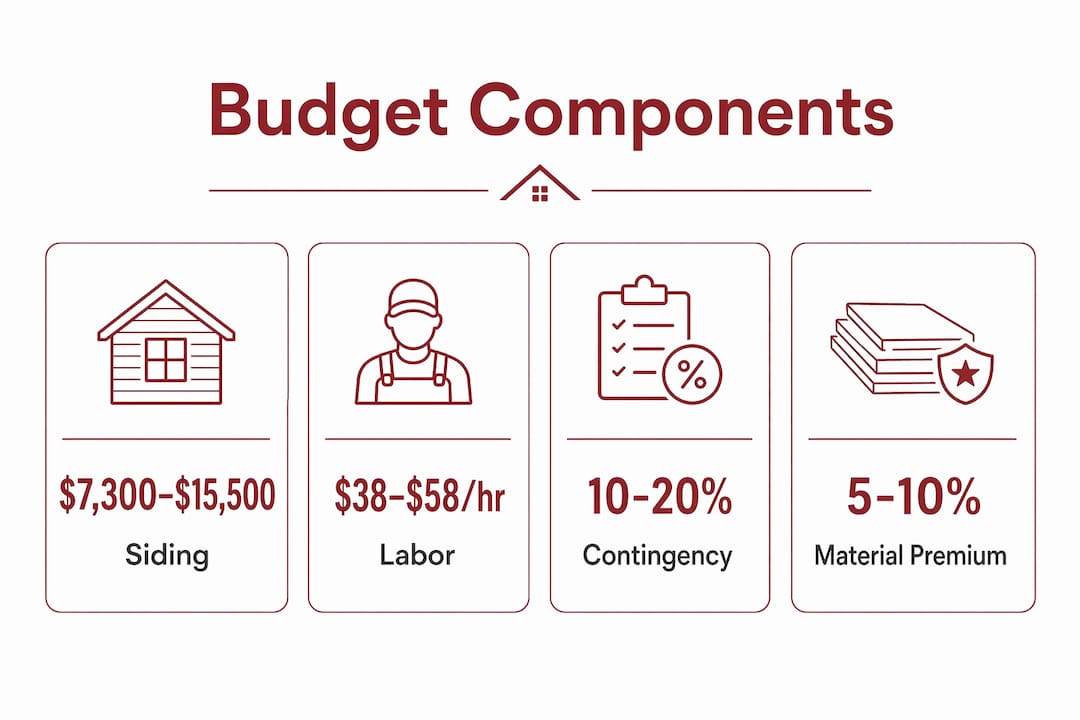
Connecticut siding projects average $11,224 in 2026, with labor and materials running approximately 13% above national averages. That premium is not optional. It reflects Connecticut’s wage levels and material demand, and your budget must reflect it too.
Pro Tip: Get itemized quotes that separate labor, materials, permits, and cleanup. A quote that bundles everything into one number makes it impossible to compare bids accurately.
How does prioritizing renovation scope impact budgeting success?
Starting with a fixed number leads to compromises. Defining scope first is what keeps your standards intact and your budget honest.
A layered scope approach divides your project into three tiers:
- Must-do: Work that protects the structure or addresses active failure. Examples include a leaking roof, rotted siding, or failed flashing.
- Would-like-to-do: Upgrades that improve function and value. Examples include replacement windows, new gutters, or deck repairs.
- Nice-to-have: Cosmetic improvements that enhance appearance. Examples include paint, decorative trim, or landscaping.
This tiering does two things. First, it protects your home from further damage by funding critical repairs before cosmetic work. Second, it gives you a clear way to cut scope if costs run high without abandoning the project entirely.
Connecticut’s seasonal climate adds another layer to this decision. Cold winters and humid summers create narrow windows for exterior work. Sequencing your must-do repairs for late spring or early fall keeps crews productive and materials performing as designed. Scheduling cosmetic upgrades for a second phase lets you spread costs across budget cycles without leaving your home exposed.
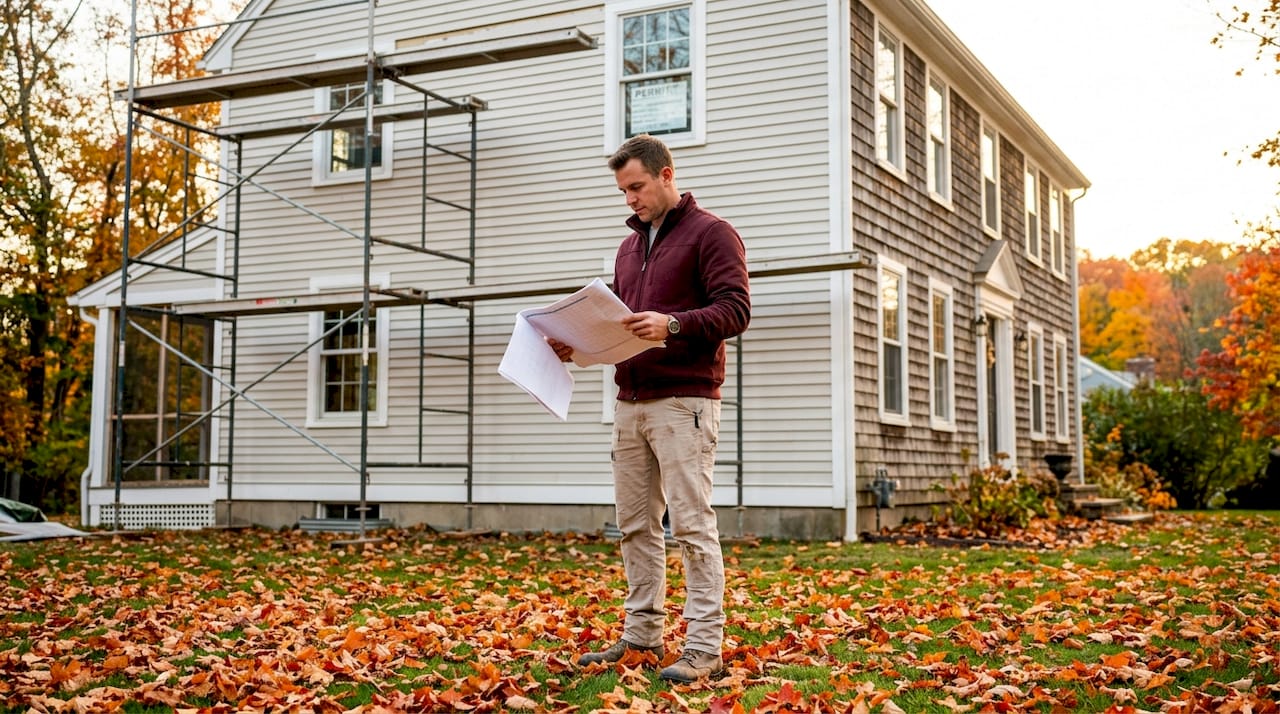
Phased exterior renovation programs start with urgent water-control repairs before addressing year-round-impact components and finishing with cosmetic upgrades. This approach reduces risk and aligns your spending to immediate priority.
Pro Tip: Ask your contractor to price the same project at three material tiers: good, better, and best. This gives you a real cost spread and lets you make informed trade-offs without redesigning the entire scope.
What are the unique Connecticut factors influencing exterior renovation costs?
Connecticut homeowners face a specific set of cost pressures that national averages do not capture. Labor rates in Connecticut range from $38 to $58 per hour, and materials run 5%–10% above the national average. Those numbers compound quickly on a full exterior renovation.
Here are the key Connecticut-specific factors to build into your renovation financial planning:
- Higher labor costs: Skilled trades in Connecticut command premium wages. Budget for this from day one rather than hoping to negotiate it away.
- Permit fees and timelines: Siding permits in Connecticut average around $258, but complex projects in cities like Hartford can require additional reviews and longer approval windows.
- Climate-driven material choices: Cold winters demand materials rated for freeze-thaw cycles. Fiber cement siding, architectural shingles, and vinyl windows with low-E glass all carry higher upfront costs but lower long-term replacement rates.
- Storm exposure: Connecticut’s coastal and inland storm patterns accelerate wear on roofing and siding. Budget for more frequent inspections and maintenance cycles than you would in milder climates.
- Project timelines: Home improvement projects in Connecticut typically span 2–8 months. Longer timelines mean more exposure to material price changes and seasonal delays.
Hartford is a useful case study for permit planning. The city’s building department requires permit applications with detailed scope descriptions, and review times can stretch several weeks for larger projects. Budgeting for permit fees and factoring in review time before scheduling your contractor prevents costly start delays.
The practical scheduling recommendation for Connecticut is straightforward. Plan your permit applications in late winter so approvals land before the spring construction season. Contractors book up fast between april and october. Early permit filing gives you first access to quality crews at competitive rates.
How does a well-planned budget protect your investment and maximize renovation ROI?
Exterior remodeling projects typically cost $5,000–$30,000, with ROI ranging from 50% to 200%, highest for curb-appeal improvements like siding and paint. A well-built budget is what captures that return rather than losing it to overruns.
The comparison below shows common exterior projects alongside their typical costs and value impact.
| Project | Typical Cost Range | ROI Potential |
|---|---|---|
| Siding replacement | $7,317–$15,557 | High (curb appeal + energy savings) |
| Roof repair or replacement | $5,000–$30,000 | High (structural protection) |
| Window replacement | $3,000–$12,000 | Moderate to high (energy efficiency) |
| Deck addition or repair | $4,000–$15,000 | Moderate (livable space) |
| Fence installation | $1,900–$4,800 | Moderate (privacy + aesthetics) |
| Landscaping | $1,200–$6,200 | Moderate (first impression) |
The contingency fund is the single most underused budget tool. Setting aside 10%–20% of your total budget for unexpected conditions is not pessimism. It is the difference between a project that finishes and one that stalls when rot or water damage appears behind the siding.
Comparing contractor bids accurately requires identical scopes with written inclusions. A bid that excludes cleanup, warranty terms, or specific material specs will look cheaper on paper and cost more in change orders. Require every contractor to price the same written scope before you compare numbers.
Phased renovation also protects your investment over time. Spreading exterior upgrade expenses across two or three seasons lets you maintain quality on each phase rather than cutting corners to fit everything into one budget cycle. A Connecticut contractor estimate that breaks work into phases gives you a clear financial roadmap and keeps your property protected throughout.
Pro Tip: Never choose the lowest bid without understanding why it is lower. Ask the contractor to walk you through every line item. A lower number almost always means something is missing.
Key Takeaways
Effective exterior renovation budgeting requires defining scope first, accounting for all hard and soft costs, reserving 10%–20% for contingencies, and factoring in Connecticut’s higher labor rates and permit timelines to protect both your project and your property value.
| Point | Details |
|---|---|
| Define scope before setting a number | Layered scope tiers prevent budget compromises and keep critical repairs funded first. |
| Include all soft costs | Permits, waste removal, and insurance add real dollars that base quotes often exclude. |
| Reserve a contingency fund | Set aside 10%–20% of your total budget for hidden damage like rot or water intrusion. |
| Account for Connecticut premiums | Labor runs $38–$58 per hour and materials run 5%–10% above national averages. |
| Compare bids on identical scopes | Written, itemized quotes prevent hidden change orders and protect your final budget. |
What I have learned from 30 years of Connecticut exterior renovations
The most common budgeting mistake I see is homeowners setting a number before they have a scope. They pick a round figure, say $20,000, and then try to fit a full exterior renovation into it. The result is a project that either cuts corners on materials or stops halfway through because the money ran out.
The second mistake is treating the contingency fund as optional. Connecticut homes, especially those built before 1980, routinely hide rot, failed sheathing, and water damage behind their siding and trim. When a crew pulls off old clapboards and finds two layers of damaged wood underneath, that work has to happen. If there is no contingency, the project stops or the homeowner goes back to the bank.
What actually works is a detailed, written scope reviewed with your contractor before any numbers are discussed. When you and your contractor agree on exactly what is included, what materials are specified, and what the cleanup and warranty terms are, the budget becomes a reliable document rather than a guess. That conversation also reveals where you can make smart trade-offs, like choosing a mid-grade fiber cement siding over a premium product, without sacrificing the structural protection your home needs.
Phased renovations aligned to Connecticut’s climate are the most cost-effective path for most homeowners. Repair the roof and address water intrusion in year one. Replace siding and windows in year two. Add the deck or masonry work in year three. Each phase is fully funded, fully executed, and adds real value before the next one begins.
— Adam
Jsignorexteriors: your Connecticut exterior renovation partner
Jsignorexteriors has served Connecticut homeowners and property managers for more than 30 years, handling the exact cost and permit complexities this article covers.
The team at Jsignorexteriors manages permit applications, provides itemized written quotes, and sequences work to match Connecticut’s climate and your budget cycle. Services include roofing in Connecticut, siding installation, replacement windows, decks, gutters, and masonry. Every project comes with a clear scope, a realistic budget, and the craftsmanship to back it up. Contact Jsignorexteriors for a detailed estimate tailored to your property and your renovation goals.
FAQ
What is exterior renovation budgeting?
Exterior renovation budgeting is the process of defining your project scope and mapping all associated costs, including materials, labor, permits, and contingency reserves, before work begins. It gives you a financial plan that keeps the project on track from start to finish.
How much should I budget for a contingency fund?
Set aside 10%–20% of your total renovation budget as a contingency reserve. This covers hidden conditions like rot, water damage, or structural issues discovered once work is underway.
Why are exterior renovation costs higher in Connecticut?
Connecticut labor rates run $38–$58 per hour, and materials cost approximately 5%–10% above the national average. These premiums reflect the state’s wage levels and construction market demand.
What soft costs do homeowners most often forget?
Permit fees, waste removal, inspections, and insurance are the soft costs most often excluded from initial budgets. For a Connecticut siding project, permits alone average around $258 per project.
How do I compare contractor bids accurately?
Require every contractor to price the same written, itemized scope that specifies materials, cleanup, and warranty terms. Bids that bundle costs into a single number make accurate comparison impossible and leave room for expensive change orders later.