

A property casualty claim is a formal request you (or someone hurt because of you) submit to an insurance company asking it to pay for property damage, cover a liability judgment, or fund your legal defense after a covered loss. The insurer investigates, verifies coverage, and pays according to your policy’s terms. Understanding this distinction matters because “property” and “casualty” cover two different problems.
- Property claims address damage to your own home, car, or business, like a storm-torn roof.
- Casualty claims address liability, meaning you (or your business) caused harm to someone else and now owe legal costs or a settlement.
- The Insurance Information Institute, NAIC, and FEMA all track how frequently these claims occur and how policies are regulated state by state.
Most policyholders file claims themselves, though a third party (like a driver you hit) can also file a casualty claim directly against your liability coverage.
Key Takeaways
A property casualty claim is a formal request to an insurer for repair costs, replacement value, or liability protection after a covered loss, and understanding your policy’s limits, exclusions, and documentation requirements determines how smoothly it gets paid.
| Point | Details |
|---|---|
| Property vs. casualty | Property claims fix your damage; casualty claims cover harm you caused to someone else. |
| Exclusions need separate policies | Flood and earthquake damage typically require standalone coverage, not your standard policy. |
| Documentation speeds settlement | Time-stamped photos, itemized lists, and receipts are the strongest evidence for an adjuster. |
| Not every loss is worth filing | Compare repair cost to your deductible before reporting a minor claim. |
| Hire licensed help for repairs | Jsignorexteriors coordinates insurer paperwork and repair work after an approved claim. |
Where to Learn More
- NAIC: state regulatory data on auto claims and insurer practices.
- Insurance Information Institute: consumer statistics on common P&C products.
- Check your state insurance department for local claim-filing rules and consumer protections.
Table of Contents
- What Are the Main Types of Property and Casualty Insurance?
- What Does a Property Casualty Claim Actually Cover?
- What Does a Property Casualty Policy Not Cover?
- How Does the Property Casualty Claim Process Work?
- How Do You Choose the Right Coverage Limits and Deductible?
- Is It Worth Filing a Property Casualty Claim?
- How Can You Lower Premiums and Avoid Claim Denials?
- How Should You Document Damage Before Filing?
- Frequently Asked Questions
- Sources
What Are the Main Types of Property and Casualty Insurance?
Property and casualty insurance is really an umbrella term. Underneath it sit several distinct policy types, each triggered by a different kind of loss:
- Homeowners: a tree falls through your roof during a windstorm.
- Renters: a kitchen fire destroys your furniture and electronics, and renters insurance pays to replace them.
- Auto: a fender bender injures another driver, triggering your liability coverage.
- Condo: a burst pipe damages your unit’s interior, which your master policy does not cover.
- Landlord: a tenant’s guest slips on an icy walkway and sues you.
- Commercial property: a burst sprinkler system ruins inventory in your shop.
- General liability: a customer trips over a loose floor tile in your store.
- Workers’ compensation: an employee strains their back lifting materials on a job site.
- Umbrella: a lawsuit exceeds your homeowners or auto liability limits.
Many homeowners carry a package policy bundling property and liability protection together, while businesses often need stand-alone casualty coverage for specific exposures their general policy skips.
What Does a Property Casualty Claim Actually Cover?
Property coverage typically pays to repair or replace what you lost, though how much depends on whether your policy pays actual cash value (depreciated worth) or replacement cost (what it takes to buy new). A roof that’s 15 years old, for instance, might get paid out at half its replacement price under an actual cash value policy.
Casualty coverage works differently. It pays for legal defense, settlements, and judgments when you’re found responsible for someone else’s injury or property loss, plus medical payments coverage for minor injuries regardless of fault.
- Property claims: dwelling repair, personal property replacement, additional living expenses if you’re displaced.
- Casualty claims: bodily injury liability, property damage liability, legal defense costs.
Pro Tip: Your policy limit is the ceiling insurers will pay; your deductible is the floor you pay first. A deductible means you’re responsible for paying an initial portion of the claim amount out of pocket, no matter how the rest plays out.
What Does a Property Casualty Policy Not Cover?
Every policy has gaps, and knowing them before a loss saves you from an ugly surprise during a claim.
- Flood damage (needs separate flood insurance, typically through the National Flood Insurance Program).
- Earthquake damage. Standard homeowners policies exclude it, and FEMA recommends a separate earthquake policy if you’re in a seismic zone.
- Ordinary wear and tear or lack of maintenance.
- Intentional acts by the policyholder.
- Certain business exposures, like professional errors or cyber incidents, which need their own endorsement.
Read your declarations page closely. Exclusions vary by insurer and state, so what’s standard in one policy might be an add on in another.
How Does the Property Casualty Claim Process Work?
Filing a claim follows a fairly predictable sequence, though catastrophic events (hurricanes, regional flooding) can stretch every timeline below as insurers activate special disaster response teams.
- Report the loss to your insurer, usually within 24 to 72 hours of discovering it.
- Provide initial details and photos, describing what happened and when.
- Mitigate further damage, like tarping a roof or shutting off water, since most policies require reasonable steps to prevent additional loss.
- Adjuster inspection, typically scheduled within a few days to two weeks depending on claim volume.
- Receive a written estimate outlining what the insurer will pay.
- Repair or settle, either through a contractor payment or a lump-sum check.
- Close the file, or appeal if you disagree with the estimate.
Simple claims often resolve in two to four weeks. Complex or disputed ones can stretch past 90 days.
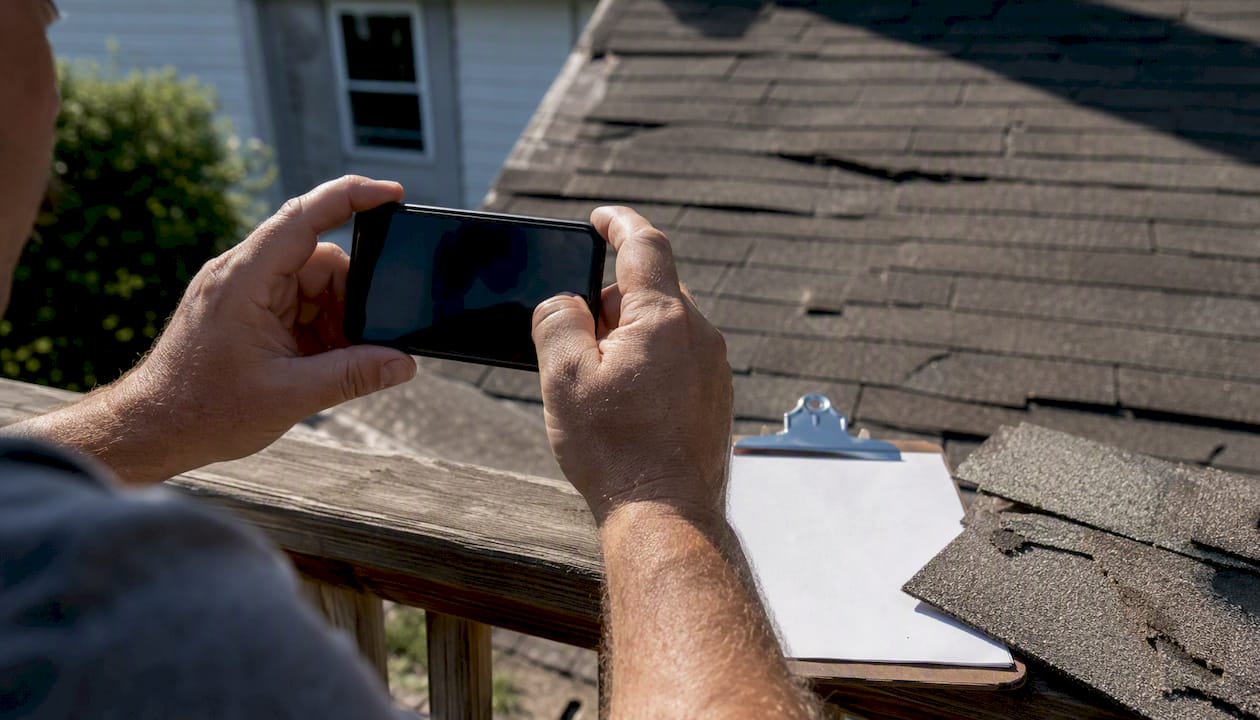
Pro Tip: Time-stamped photos and a short itemized inventory of damaged items are the single most persuasive pieces of evidence you can hand an adjuster during a walkthrough.
How Do You Choose the Right Coverage Limits and Deductible?
Picking limits isn’t guesswork. Start with what it would cost to rebuild your home or replace your business equipment at today’s prices, not what you paid years ago.
- Compare replacement cost to current market value, since rebuilding almost always costs more.
- Calculate your liability exposure honestly, including assets you’d need to protect in a lawsuit.
- Factor in business interruption risk if lost income would follow a covered loss.
- Ask your agent about bundling discounts, replacement cost endorsements, and how raising your deductible changes your premium.
A higher deductible lowers your monthly premium but raises what you pay out of pocket when something breaks. Someone raising a $500 deductible to $2,500 might save $200 a year, but they’re now on the hook for an extra $2,000 the moment a claim happens.
Is It Worth Filing a Property Casualty Claim?
Not always. Filing has real trade offs beyond the immediate payout.
- Pros: fast reimbursement, professional repair coordination, protection against a loss you can’t afford alone.
- Cons: possible premium increases, loss of claims-free discounts, and scrutiny on future applications.
A workable rule: if repair costs are close to your deductible, or a small slice of your policy limit, paying out of pocket often beats filing. Save claims for losses that would genuinely strain your finances.
How Can You Lower Premiums and Avoid Claim Denials?
Small habits pay off both before and during a claim.
Pro Tip: Keep dated maintenance records year round. Insurers frequently deny claims tied to “lack of maintenance,” and a paper trail proves you kept up your end.
- Install safety devices like smoke detectors, water sensors, and monitored alarms.
- Bundle home and auto policies for multi-policy discounts.
- Disclose material facts honestly on your application; omissions can void coverage later.
- Avoid contractors who pressure you to inflate damage estimates. Exaggerated claims are insurance fraud and can void your entire policy, not just the disputed portion.
How Should You Document Damage Before Filing?
Good documentation starts the moment you’re safe, not days later.
- Confirm the area is safe before entering.
- Take wide shots of the whole space, then close-ups of specific damage, all time and date stamped.
- List damaged items with model or serial numbers where visible.
- Save receipts for any temporary repairs, like tarps or board-ups.
- Gather prior maintenance records, permits, and contractor estimates.
Pro Tip: Keep one folder, digital and physical, with everything organized before your adjuster ever calls. It’s the fastest way to move a claim from opened to paid.
A Contractor’s View on Claims and Repairs
Helping homeowners document a loss and coordinate with adjusters is routine work after 30-plus years in the field. Jsignorexteriors is fully licensed and insured, and that hands-on experience with insurer paperwork often shortens the gap between approval and finished repair.
Getting Repairs Done After Your Claim Is Approved
Once your insurer approves a payout, you still need someone to do the work, and that’s where Jsignorexteriors comes in. Unlike hunting for a contractor cold after storm damage, working with a crew that already understands insurance paperwork, documentation standards, and adjuster expectations means fewer delays and fewer surprises on your final invoice.

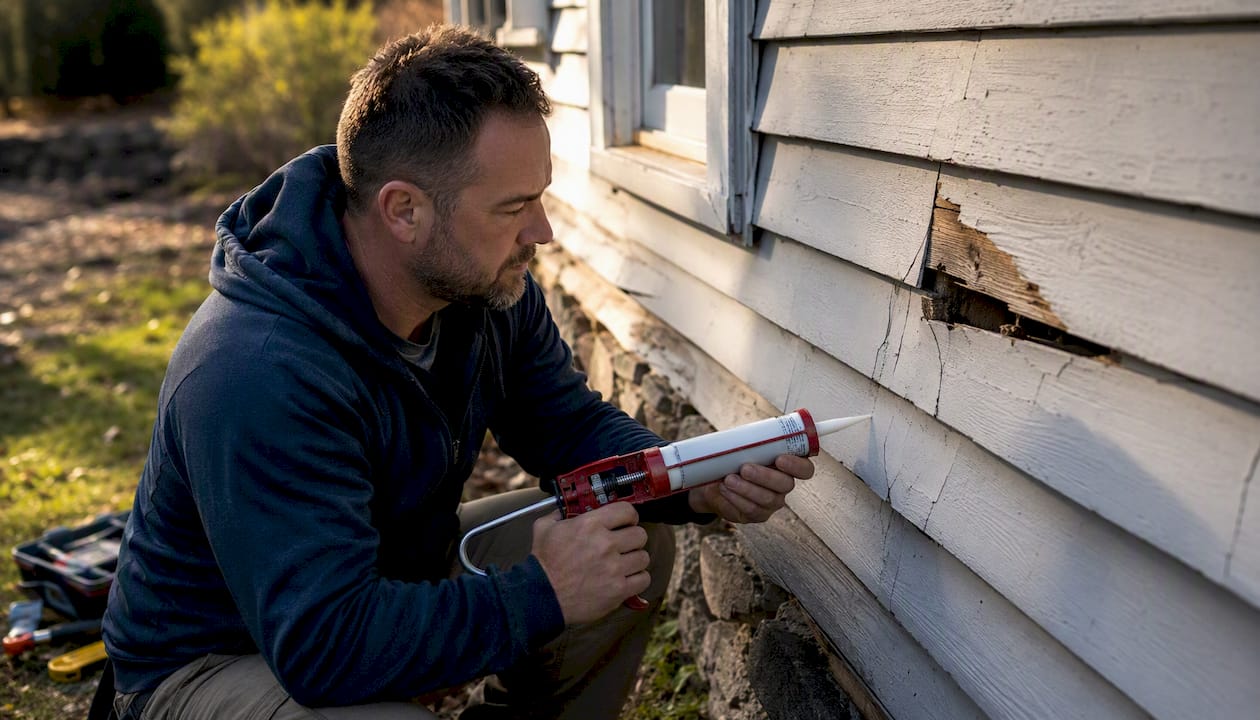
Jsignorexteriors has spent more than three decades handling roofing, siding, gutters, and masonry repairs across Connecticut, including projects that follow an approved insurance claim. If your roof, siding, or gutters took the hit, a licensed roofing contractor can inspect the damage, provide a written estimate that lines up with what your adjuster expects, and get the repair scheduled without you chasing multiple bids. Reach out for a repair estimate before your claim paperwork is even finalized, so the work can start the moment your insurer signs off.
Frequently Asked Questions
What’s the difference between a property claim and a casualty claim?
A property claim covers damage to your own belongings or structure. A casualty claim covers your legal liability when you’ve caused harm to someone else.
Do I have to file a property casualty claim through my insurer?
Yes, claims are filed directly with the insurance company that issued your policy, though a third party can also file a liability claim against your policy after you cause them harm.
Will filing a claim raise my premium?
Often, yes, especially for repeat claims or claims above a certain dollar threshold. Weigh the repair cost against your deductible before reporting a minor loss.
What documents do I need to file a property casualty claim?
Time-stamped photos, an itemized list of damaged items, receipts for temporary repairs, and any prior maintenance records or contractor estimates.
Can I dispute a denied claim?
Yes. Most insurers allow an internal appeal, and if that fails, mediation or your state insurance department can help resolve the disagreement.
This article is general information, not a substitute for advice from a qualified financial advisor. Consult a qualified financial professional about your own circumstances before acting on anything here.
Sources
- What Is Property and Casualty Insurance? – Nationwide
- Facts + Statistics: Renters Insurance | Insurance Information Institute (III)