Insulated vinyl siding is worth the added expense for homeowners with poorly insulated walls or homes in harsh climates, but not for everyone. You get a modest R-value boost, a straighter, sturdier panel, and better curb appeal in exchange for a real price premium. Homes with sound attic and wall insulation, or mild climates, tend to see a smaller return, and a qualified contractor can help you figure out which category your house falls into before you commit.
TL;DR:
- Insulated vinyl siding adds R-values mostly between R-2.0 and R-4.0, providing significant energy savings only for homes with poor existing insulation or in extreme climates.
- The product costs 20% to 50% more than standard vinyl siding, with payback periods often exceeding five years, especially in mild climates or well-insulated homes.
- Proper installation requires thorough moisture management, including inspecting sheathing, installing a continuous water-resistive barrier, and correct flashing, to prevent moisture-related issues.
- Its benefits include firmer panels, impact resistance, noise reduction, enhanced curb appeal, and lower long-term maintenance, but style options may be narrower than standard vinyl.
- Choosing the right product depends on verified R-value data, and an experienced installer is crucial to ensure performance and avoid moisture problems.
Table of Contents
- What Is Insulated Vinyl Siding and How Does It Work?
- How Much R-Value Does Insulated Vinyl Siding Actually Add?
- What Are the Pros and Cons of Insulated Vinyl Siding?
- How Much Does Insulated Vinyl Siding Cost, and What’s the Payback Timeline?
- What Do Installers Need to Check for Proper Moisture Management?
- How Does Insulated Vinyl Siding Compare to Other Siding Materials?
- How Long Does Insulated Vinyl Siding Last, and What Do Warranties Cover?
- Is Insulated Vinyl Siding Environmentally Friendly?
- How Do You Choose the Right Product and Installer?
- A Contractor’s View: How Pros Decide What Homeowners Should Request
- How Jsignorexteriors Can Help With Your Siding Project
- Standards, Government Guidance, and Technical Resources
- Sources
- FAQ
What Is Insulated Vinyl Siding and How Does It Work?
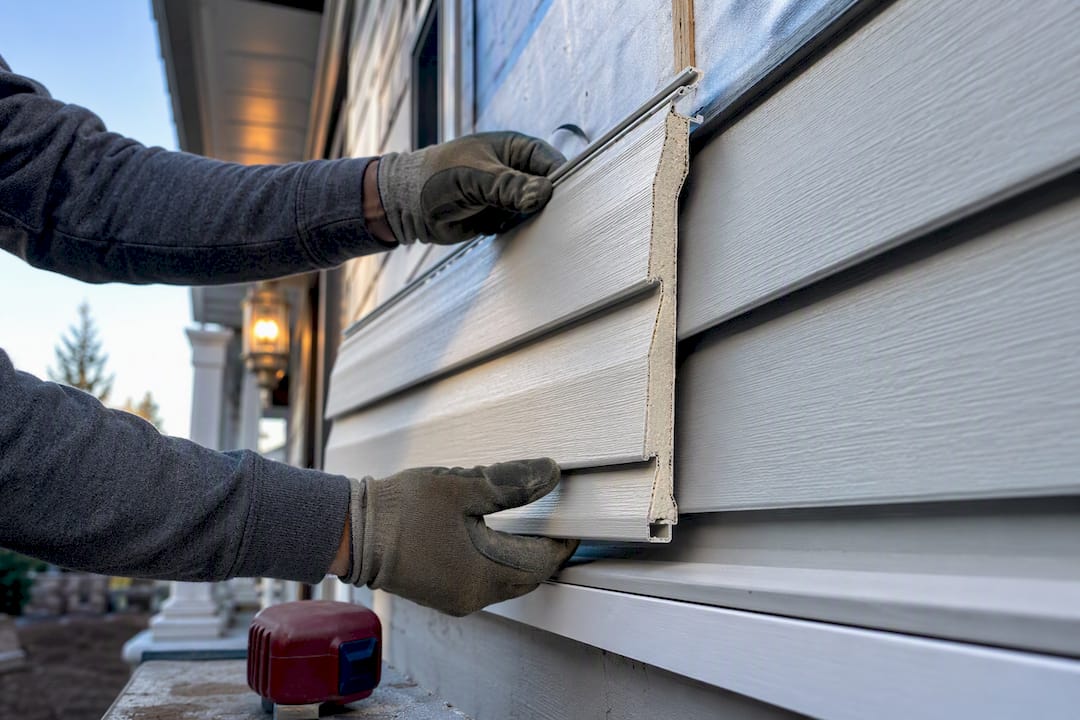
Insulated vinyl siding is a standard vinyl panel with a layer of rigid foam, almost always expanded polystyrene (EPS), permanently laminated to its back. That foam isn’t a separate accessory you add later. It’s molded and bonded directly to the panel during manufacturing, which is the main thing separating this product from foam-backed vinyl siding that some installers add as a loose underlayment.
The foam backing does two jobs. First, it creates a layer of continuous exterior insulation across the whole wall, not just between the studs, which cuts down on thermal bridging where heat sneaks through wood framing. Second, it stiffens the panel itself.
That added rigidity changes how the siding looks and performs:
- Panels sit flatter against the wall, with far less of the wavy, rippled look standard hollow vinyl gets in direct sun.
- Corners and seams stay tighter over time because the foam resists the expansion and contraction that warps thin vinyl.
- The extra mass behind the panel improves impact resistance against hail and stray baseballs.
Regular vinyl siding relies on the wall sheathing behind it for shape. Insulated vinyl siding carries its own structure, which is why manufacturers can offer deeper, more dimensional profiles that mimic cedar shake or board-and-batten more convincingly.
How Much R-Value Does Insulated Vinyl Siding Actually Add?
Most insulated vinyl siding on the market delivers an R-value between R-2.0 and R-4.0, according to testing compiled by the Building America Solution Center. A handful of premium products with thicker foam backing push closer to R-5. That’s a meaningful jump over standard vinyl siding, which contributes essentially zero insulating value on its own.
By the numbers: Realistic whole-house energy savings from insulated siding alone range from a few percentage points up to roughly 11% to 20% in favorable conditions, according to Building America Solution Center findings. The wide spread comes down to climate severity and how under-insulated the wall cavity already is.
These R-values matter for more than marketing copy. The International Energy Conservation Code (IECC) and ASHRAE recognize insulated siding as legitimate continuous insulation when it’s tested to ASTM D7793, the industry standard for measuring foam-backed panel performance. That means a code official or energy auditor can count the siding’s R-value toward your wall’s total insulation performance, provided the manufacturer publishes tested numbers rather than estimates.
Don’t expect insulated siding to replace attic or wall cavity insulation. A home with an already-insulated 2×6 wall stuffed with fiberglass batts won’t feel much difference from adding R-3 to the exterior. A 1960s ranch with empty wall cavities and single-pane windows is a different story entirely. That gap between homes is the single biggest variable in whether this upgrade earns its keep.
What Are the Pros and Cons of Insulated Vinyl Siding?
Beyond the insulation itself, insulated vinyl siding brings a set of benefits that show up whether or not your climate rewards the R-value. It also carries real drawbacks that deserve equal weight before you sign a contract.
Benefits worth paying for:
- Firmer, flatter panels. The foam backing eliminates most of the oil-canning and waviness that plagues standard vinyl on hot, sun-facing walls.
- Better impact resistance. The added density helps panels shrug off hail, thrown debris, and everyday bumps better than hollow vinyl.
- Noticeable noise reduction. The foam layer dampens some exterior sound transmission, a real perk on busy streets or near highways, according to LiveAbout’s overview of insulated siding performance.
- Stronger curb appeal. Deeper, more dimensional profiles read as more premium than flat vinyl from the street.
- Lower long-term maintenance. Panels that don’t warp or ripple need less attention over their lifespan.
Drawbacks to weigh honestly:
- Insulated siding commonly costs 20% to 50% more than comparable non-insulated vinyl, according to RenoCompare’s pricing analysis.
- Style and color selection tends to be narrower than the sprawling catalogs available in standard vinyl lines.
- Performance depends heavily on installation precision, since foam-backed panels don’t forgive sloppy fastening or gapping the way standard vinyl sometimes does.
Pro Tip: If you’re deciding whether to prioritize insulation upgrades, insulated siding earns its cost fastest on homes built before 1990 with original wall insulation, or houses within earshot of a highway or busy road where the acoustic benefit adds real daily value.
Long-term owners who plan to stay put for a decade or more get the best return. Homeowners planning to sell within a few years, or those whose walls already meet current energy code minimums, will likely get more value putting that money elsewhere.
How Much Does Insulated Vinyl Siding Cost, and What’s the Payback Timeline?
Material costs for insulated vinyl siding typically run higher per square foot than standard vinyl, with the total installed price reflecting that same 20% to 50% premium once labor and trim work factor in, based on figures from RenoCompare. Exact numbers vary by brand, panel profile, and regional labor rates, so get quotes from a licensed local contractor before assuming a number.
Payback depends on three variables working together, not any single one:
- Climate severity. Cold-winter or hot-summer regions with heavy HVAC use recoup costs faster than mild climates.
- Existing cavity insulation. Homes with empty or degraded wall insulation see the biggest jump in efficiency.
- Installation quality. A poorly sealed job leaks air around the very panels meant to stop it.
Realistic payback periods for insulated siding alone commonly run 5 to 10 years or longer, factoring in energy savings against the upfront premium. That’s slower than some other efficiency upgrades. The U.S. Department of Energy points out that attic insulation and air sealing usually deliver faster returns than exterior cladding changes, since heat loss through an underinsulated attic often outpaces wall losses by a wide margin.
The smartest budget move for many homeowners is pairing insulated siding with those cheaper, faster-payback upgrades rather than treating it as a stand-alone fix. If your windows are aging out too, look at energy-efficient glazing options at the same time. Bundling exterior work often saves on labor logistics and scaffolding costs compared to tackling each project separately.
What Do Installers Need to Check for Proper Moisture Management?
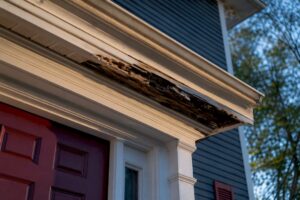
Insulated siding fails, when it fails, almost always because of moisture trapped behind the panels rather than a defect in the panels themselves. A qualified installer should walk through a specific checklist before the first panel goes up.
- Inspect the sheathing for rot, delamination, or existing water damage, and repair any compromised sections before cladding over them.
- Install over a continuous water-resistive barrier (WRB), not patched-in sections, so water has a consistent drainage plane behind the siding.
- Integrate flashing at every window, door, and penetration point with the WRB rather than caulking gaps as an afterthought.
- Check for and eliminate double vapor barrier conditions, meaning interior vinyl wallpaper or an existing polyethylene layer combined with closed-cell spray foam in the same wall cavity, since that combination traps moisture with nowhere to escape.
- Use manufacturer-specified nail length and a wider J-channel, since foam-backed panels sit differently than hollow vinyl and standard fasteners can under- or over-drive.
Pro Tip: Ask any contractor bidding your job how they handle WRB continuity around window openings specifically. A vague answer, or one that skips flashing integration entirely, is the clearest red flag you’ll get before signing anything. Reviewing common siding installation mistakes before you get quotes will help you ask sharper questions.
If your home has a documented history of moisture issues, get a building-science inspection before any siding decision, insulated or not.
How Does Insulated Vinyl Siding Compare to Other Siding Materials?
Fiber cement siding costs more upfront than insulated vinyl and requires periodic repainting, but it holds up better against fire and doesn’t dent the way vinyl can under a hard impact. It has no built-in insulating value on its own, so a fiber cement job usually pairs with separate rigid foam sheathing to match the thermal performance insulated vinyl delivers in one step.
Wood siding wins on classic appearance and repairability, since a damaged board can be swapped individually rather than replacing a whole panel run. But wood demands the most ongoing maintenance of any common option, from repainting to rot prevention, and carries no inherent insulation value either.
Other insulated siding categories exist too, including insulated fiber cement panels and certain engineered wood products with foam backing, though these remain less common and often cost more than insulated vinyl. Standard, non-insulated vinyl remains the budget benchmark against which everything else gets measured. It’s cheaper upfront and just as low-maintenance day to day, but it lacks the panel rigidity, noise dampening, and thermal contribution that justify insulated vinyl’s premium.
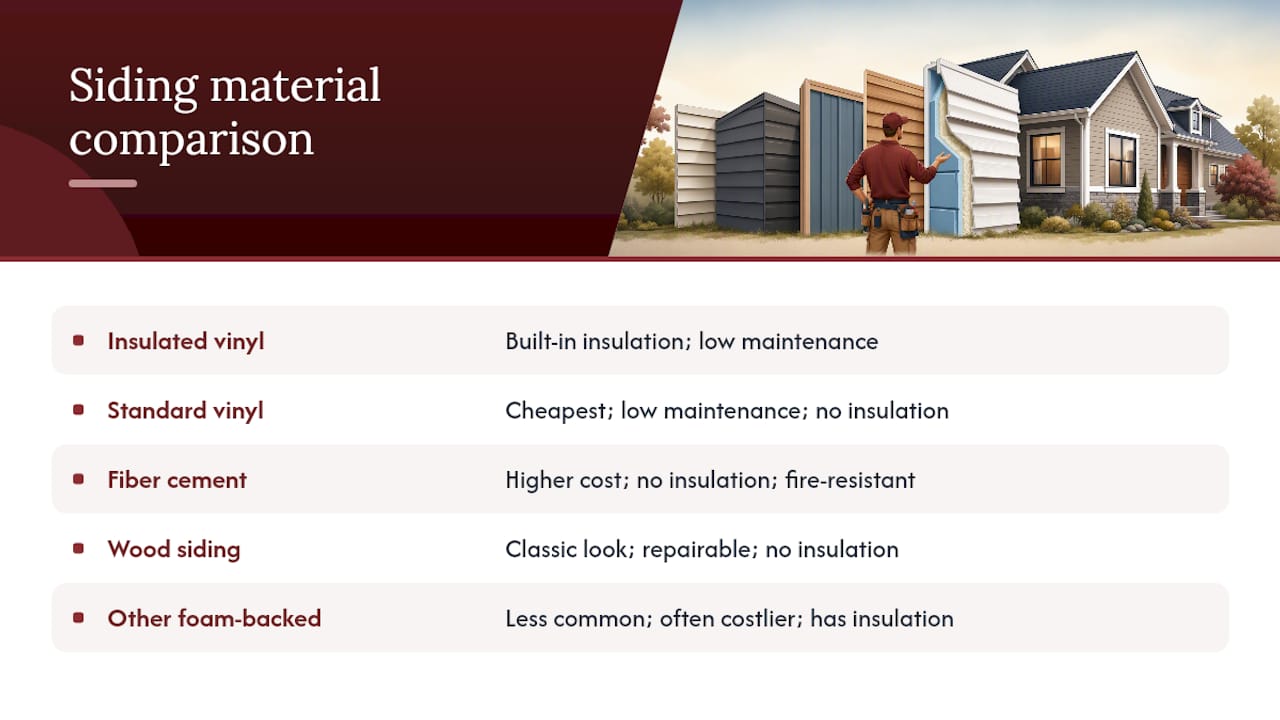
For homeowners comparing materials side by side, the deciding factor usually isn’t insulation alone. It’s how much you value low maintenance versus repairability, and how long you plan to own the house. A broader look at exterior siding materials can help narrow the field before you request quotes.
How Long Does Insulated Vinyl Siding Last, and What Do Warranties Cover?
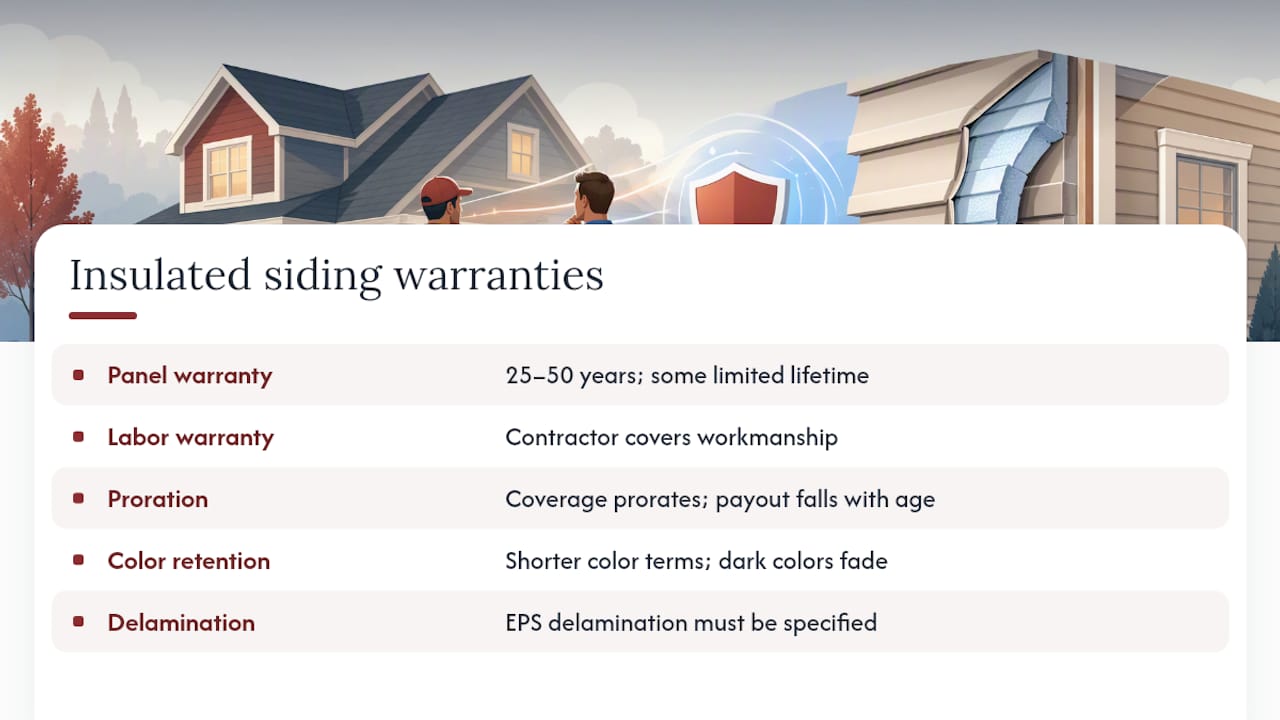
Manufacturer warranties on insulated vinyl siding commonly run 25 to 50 years for the panel itself, with some premium product lines offering limited lifetime coverage against cracking, fading, or foam delamination. Actual service life often exceeds the printed warranty term when installation follows manufacturer specifications, with many properly installed jobs lasting several decades before replacement becomes necessary.
Warranty terms typically distinguish between the panel and the labor. Most manufacturer warranties cover material defects only, not installation errors, which is why a contractor’s own workmanship warranty matters just as much as the product warranty. Read the fine print on prorated coverage, too. Many vinyl warranties reduce their payout percentage as the product ages, so a panel failing in year 20 might only get partial replacement value rather than full coverage.
Color retention is usually the weakest link in any vinyl warranty, insulated or not. Darker colors absorb more heat and tend to fade faster than lighter shades, and most warranties carve out separate, shorter terms for color fastness versus structural integrity. Ask specifically about this distinction rather than assuming “lifetime warranty” covers everything printed on the panel.
Foam delamination, where the EPS backing separates from the vinyl face, is a defect specific to insulated products that standard vinyl warranties never need to address. Reputable manufacturers cover this explicitly. If a warranty document doesn’t mention delamination at all, that’s worth asking about directly before you buy.
Is Insulated Vinyl Siding Environmentally Friendly?
Vinyl siding, insulated or standard, is made from PVC, a petroleum-based plastic that isn’t biodegradable and has a mixed environmental record depending on how it’s manufactured and eventually disposed of. The EPS foam backing on insulated panels adds a second petroleum-based material to that equation, which means insulated vinyl siding carries a larger manufacturing footprint than its non-insulated counterpart.
The efficiency side of the ledger works in the opposite direction. A siding product that meaningfully cuts a home’s heating and cooling load reduces ongoing energy consumption for as long as it’s installed, which offsets some of that manufacturing impact over the product’s decades-long service life. The math favors insulated siding most in climates where HVAC systems run hard for much of the year.
Recyclability remains the weak point for the category. Vinyl siding is technically recyclable, but most municipal recycling programs don’t accept it, and the laminated foam backing on insulated panels makes separating the two materials for recycling even harder than with standard vinyl. In practice, most old insulated siding ends up in landfills rather than a recycling stream.
Homeowners weighing environmental priorities alongside energy performance might look at fiber cement, which uses cement and cellulose rather than PVC, or reclaimed wood siding, though both carry their own manufacturing and maintenance trade-offs. None of the common siding materials on the market today are without some environmental cost.
How Do You Choose the Right Product and Installer?
Product selection starts with the manufacturer’s published R-value spec sheet, not marketing language on a sample brochure. Ask for the tested number, confirm it references ASTM D7793, and compare that figure across the two or three product lines you’re considering. Foam thickness varies by manufacturer, and that thickness is what actually drives the R-value difference between a mid-range product and a premium one.
Installer selection matters just as much as product choice, arguably more, given how much of insulated siding’s performance depends on correct fastening and moisture management. Look for a contractor who can walk you through their WRB integration process without hesitation, who provides a written scope of work rather than a verbal estimate, and who has liability insurance and any required state licensing current and verifiable.
Request sample panels in person before committing to a color or profile. Photos and swatches under store lighting rarely match how a color reads on your actual house under direct sun. And always get the manufacturer’s installation instructions referenced in your contract, since a warranty claim can be denied if the installer deviated from those specs, even if the product itself was defective.
A Contractor’s View: How Pros Decide What Homeowners Should Request
When a siding job is evaluated, the first stop isn’t the exterior wall. It’s the attic and, where accessible, the wall cavity, checking existing insulation levels and any signs of moisture intrusion before recommending insulated versus standard vinyl.
Homeowners should request the same documentation any careful contractor relies on: the manufacturer’s tested R-value sheet, written installation instructions, full warranty terms, and a scope of work that spells out WRB handling and flashing details rather than a vague line item. If a bid skips any of these, that’s the gap to ask about before signing.
— Adam
How Jsignorexteriors Can Help With Your Siding Project
Experienced contractors have spent many years installing and repairing exterior systems, which means the recommendation you get is grounded in what actually holds up on real walls, not just a product catalog. Before any quote goes out, the team checks your existing WRB condition, sheathing, and insulation levels, the same building-science basics that determine whether insulated vinyl siding will earn its premium on your specific house.
When you request a siding estimate, ask for manufacturer spec compliance in writing, sample panels to view on-site, and full warranty documentation before you compare prices. Those three things tell you more about a bid’s real value than the number at the bottom of the page. If you’re ready to find out whether insulated vinyl siding makes sense for your home, request an on-site assessment through Jsignorexteriors’s siding services and get a written scope of work built around what your walls actually need.
Standards, Government Guidance, and Technical Resources
For deeper reading on R-value testing, code recognition, and installation standards referenced throughout this guide, see the Building America Solution Center, the ASTM D7793 technical guide, the Department of Energy’s insulation page, and ENERGY STAR.
Sources
- Vinyl Siding with Integrated Rigid Foam for Existing Walls | Building America Solution Center
- Insulated Vinyl Siding: Pros/Cons, Reviews & Prices | RenoCompare
- ENERGY STAR
FAQ
How Much Does Insulated Vinyl Siding Cost?
Insulated vinyl siding typically costs 20% to 50% more than standard non-insulated vinyl, with exact pricing varying by brand, panel profile, and local labor rates, according to RenoCompare. Getting a written estimate from a local licensed contractor is the only reliable way to pin down your project’s actual cost.
Who Makes the Best Insulated Vinyl Siding?
No single manufacturer is universally “best,” since some prioritize thicker foam for higher R-value while others focus on profile detail and drainage performance. The right choice depends on whether energy performance or appearance matters more for your project, so compare published R-value specs across two or three brands your contractor recommends.
How Much R-Value Does Insulated Vinyl Siding Add?
Most insulated vinyl siding adds between R-2.0 and R-4.0, with some premium products reaching up to R-5, based on data from the Building America Solution Center. That R-value counts toward continuous insulation calculations under the IECC when tested to ASTM D7793.
Is Insulated Siding Worth It for Every Home?
No. It delivers the strongest return on older homes with under-insulated walls or in climates with harsh winters or summers, while homes that already meet modern insulation standards see a smaller benefit relative to the added cost.
Can Insulated Vinyl Siding Cause Moisture Problems?
It can, if installed over a wall with an existing interior vapor barrier or without proper WRB integration, since that combination can trap moisture with no path to escape. A qualified installer inspects for these conditions and addresses them before installation rather than covering them up.