
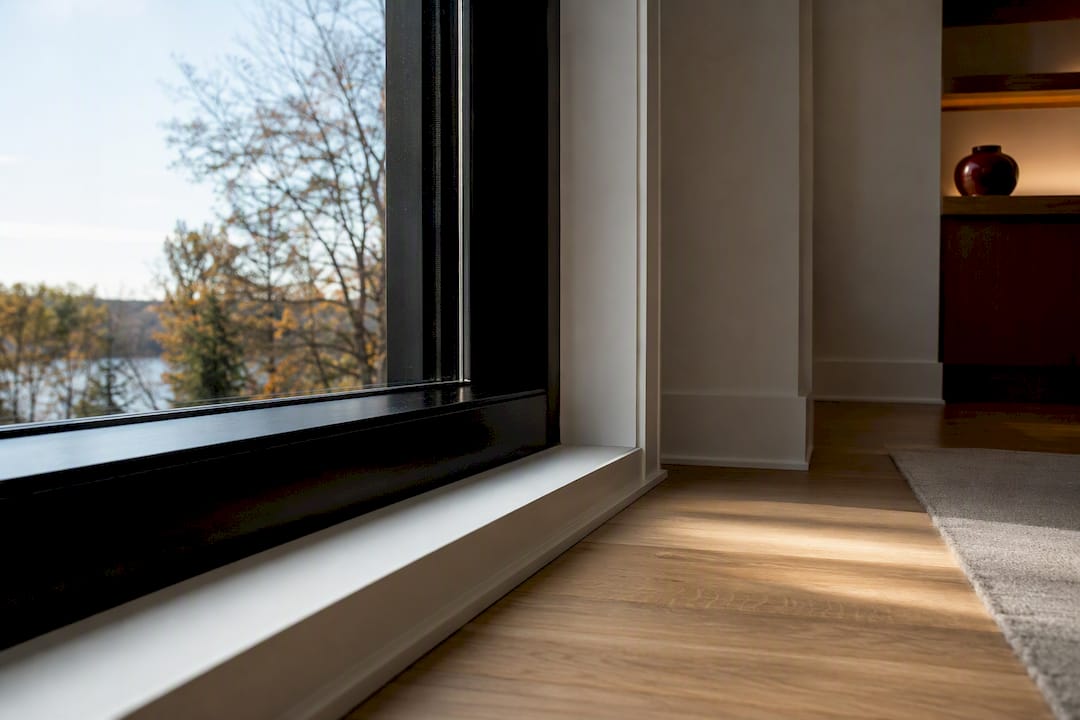
Black window frames are the right call for large, view-oriented windows with good daylight and a quality factory finish. They are the wrong call for small, north-facing windows or dark vinyl in strong afternoon sun. Before you fall for the look, run three filters: window scale, sun exposure, and finish quality.
TL;DR:
- Black window frames work best on large glass walls, modern exteriors, and homes with varied window shapes that need visual unity.
- They can increase heat absorption, with surface temperatures reaching 180°F or higher in direct sun, which stresses seals and may cause warping over time.
- Dark frames show water spots and dust more readily, requiring more frequent cleaning, especially in humid environments or near sprinklers.
- Material choice is critical; PVDF-coated aluminum and co-extruded vinyl offer the best fade resistance and durability in sunny conditions.
- Installing black frames requires careful consideration of sun exposure, finish quality, and warranty terms to ensure long-term performance.
Table of Contents
- The Real Advantages of Black Window Frames
- The Trade-Offs Nobody Mentions at the Showroom
- Which Materials Actually Hold Up in Black
- Where Black Frames Look Best, Inside and Out
- What Black Frames Actually Cost Over Time
- Installation and Maintenance Steps That Prevent Regret
- How a Contractor Reads a Black-Frame Spec Sheet
- When I Tell Homeowners to Go Black
- Get Black Frames Installed Right the First Time
- Sources
- FAQ
The Real Advantages of Black Window Frames
Black frames do one thing white frames rarely manage: they turn glass into a design feature instead of a hole in the wall. The dark line around each pane reads like a picture frame, and that effect is strongest on large openings where the eye has room to register the contrast between glass and border. Designers describe this as an architectural border effect that works especially well when the interior walls are pale and the view actually deserves a frame.
There’s a resale angle here too. Black frames photograph well, and homes with mismatched window shapes benefit the most: a black frame set unifies openings of different sizes into one deliberate look instead of a scattered collection of vinyl rectangles. That’s a common problem in older Connecticut homes that have been added onto over decades, where the front bay window and a side casement never quite matched.
Inside the house, black frames also hide daily wear better than white ones. Scuffs from furniture, fingerprints near the latch, dust buildup in the corners: all of it shows up faster on white vinyl than on a dark matte finish.
Where black frames earn their keep:
- Large glass walls, sliders, and picture windows where the frame-to-glass ratio favors the border effect
- Contemporary, modern farmhouse, and transitional exteriors
- Homes with several different window shapes that need visual unity
- Interiors where you want the glass, not the trim, to be the focal point
Pro Tip: If you’re not sure black will work with your existing siding, ask your contractor for a photo mockup before you order. It costs nothing and saves you from a very expensive guess.
Trend risk is lower than most people assume. Architects have been specifying black as a default for contemporary and transitional builds for long enough that the look has matured past fad status, which matters if you’re worried about resale in ten years rather than Instagram appeal today.
The Trade-Offs Nobody Mentions at the Showroom
Dark colors absorb more solar energy than light ones, period. On a window frame, that means measurably higher surface temperatures, more thermal expansion, and more stress on the seals and gaskets that keep water and air out. Surface temperatures on dark frames can run 20 to 40 degrees Celsius hotter than light frames under direct sun, and that heat cycle repeats every single day the sun hits the window.
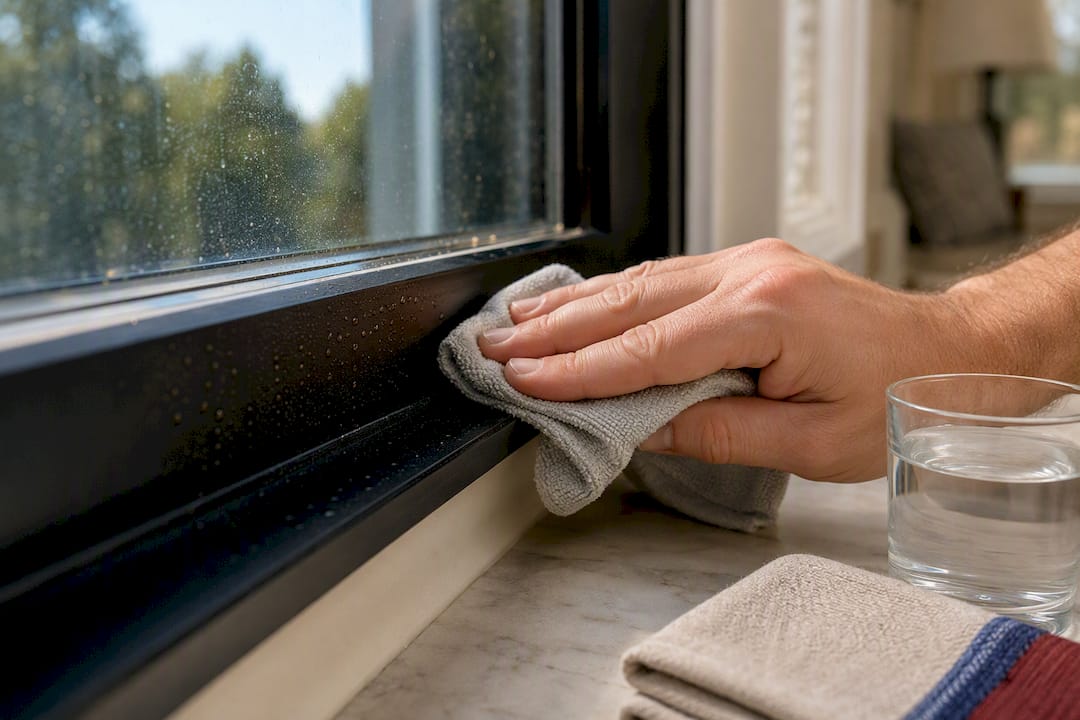
The maintenance reality is less dramatic but still worth knowing. Black frames show water spots, pollen film, and hard-water residue more visibly than white ones, especially in a satin or gloss finish. You’re not looking at daily upkeep, but plan on wiping frames down more often than you would with a lighter color.
Scale matters more than most buyers expect. A black frame on a small bathroom or north-facing window can visually shrink the opening and make the room feel smaller and darker, which defeats the purpose if daylight was the goal in the first place.
What to watch for before you sign a contract:
- Ask whether the frame material is rated for your home’s sun exposure, especially south or southwest walls
- Confirm the finish is factory-applied, not a film or spray coating
- Check whether small, low-light rooms actually need a black frame or would look better with a lighter tone
- Read the warranty’s exposure exclusions before you commit to a color
Pro Tip: In direct sun, dark vinyl has been recorded above 180°F in testing and can bow or distort over time. If your south or west-facing windows get full sun for most of the day, ask specifically about the material rating before you fall in love with a color swatch.
Which Materials Actually Hold Up in Black
Not all black frames age the same way, and the material you choose matters more than the color itself. A PVDF-coated aluminum frame and a cheap powder-coated vinyl frame can both look identical on the showroom sample, then diverge dramatically after five summers of direct sun.
PVDF, often marketed under the Kynar name, is a fluoropolymer coating baked onto aluminum that resists UV fade far longer than standard paint. Co-extruded uPVC bakes the color into the material itself rather than coating the surface, which is why it holds up better than laminate film over time. Lamination film, the cheapest option, tends to show visible fading or peeling soonest, particularly on south-facing exposures.
Those lifespan differences come from how each finish bonds to the base material, and they’re well documented across manufacturer specs.
Finish texture matters almost as much as chemistry. Matte and low-gloss finishes hide water spots and hard-water marks better than gloss, which makes them the safer pick for humid climates or homes near sprinklers. Gloss looks sharp in photos but shows every smudge in daylight.
Quick material checklist:
- Aluminum with a PVDF finish: best fade resistance, best fit for hot, sunny climates
- Co-extruded vinyl: solid mid-range durability, reasonable cost
- Fiberglass: dimensionally stable under heat, worth asking about if your budget allows
- Wood with black exterior cladding: strong look, but exterior maintenance schedule matters more
Where Black Frames Look Best, Inside and Out
Black frames are most at home on contemporary, modern farmhouse, and transitional exteriors, particularly when paired with white, gray, or muted earth-tone siding. On a traditional colonial with heavy trim detail, black can look either sharp or jarring depending on how much white trim surrounds it, so it pays to see a rendering before committing.
Window size drives the outcome more than style does. Large sliders, picture windows, and multi-pane walls give black frames room to do their job as an architectural border. Small single windows, especially in bathrooms or stairwells, tend to look pinched once a dark frame closes in around them.
Inside, the compromise a lot of designers land on is a dual-color unit: black on the exterior, white on the interior. This split lets you keep the curb appeal without darkening every room in the house, which matters if your interior trim, cabinetry, and wall colors are already light.
Pairing rules worth following:
- Match black frames with warm wood tones, black hardware, and light gray or white walls for a clean contrast
- Avoid mixing black frames with brass hardware and heavy floral wallpaper, which tends to fight rather than complement
- Use black consistently across all visible windows on one elevation; mixing black and white frames on the same wall reads as unfinished
- If your interior rooms rely on borrowed light from windows, ask about the dual-color option before assuming full black inside and out
If your project also touches siding or trim, it’s worth reviewing how glass features change a room’s proportions before finalizing frame color, since the same scale principles apply to interior glass doors and large window walls alike.
What Black Frames Actually Cost Over Time
Black frames typically carry a premium of 10% to 25% over standard white, depending on finish and configuration. Full dual-color units with premium PVDF finishes push toward the higher end of that range.
On a mid-size project replacing ten windows, that premium adds up but rarely changes the overall math dramatically once you factor in installation and glass upgrades together.
What actually drives the price difference:
- Finish chemistry (PVDF costs more than standard powder coat)
- Dual-color configuration versus single-color exterior only
- Frame material (aluminum with PVDF costs more than standard vinyl)
- Custom shapes or oversized units that require special coating runs
The warranty language matters as much as the sticker price. Many manufacturer warranties limit coverage on south or southwest-facing installations or require the homeowner to follow a specific cleaning schedule to keep color protection valid. Skip that maintenance clause and you may void the fade warranty entirely, even if the frame itself is still structurally sound.
There’s a meaningful difference between cosmetic aging and an actual service-life problem. Slight, even fading across a frame after a decade is normal wear. Bowing, cracking, or uneven color blotching within the first few years is a defect, not aging, and should be a warranty claim.
Installation and Maintenance Steps That Prevent Regret
- Request the finish spec sheet. Ask for the manufacturer’s documented UV and fade test results, referencing AAMA or ASTM performance standards where available.
- Prioritize factory-finished materials. PVDF-coated aluminum or co-extruded uPVC outperforms field-applied paint or film almost every time.
- Skip dark vinyl on full-sun walls. If a wall gets direct sun most of the day, choose thermally broken aluminum with a PVDF finish instead.
- Set a cleaning routine. A mild soap-and-water wipe every few months prevents pollen and hard-water buildup from etching into the finish.
- Check the installation details. Flashing, compression seals, and sealant compatibility all affect how well the frame handles daily thermal cycling. A poorly sealed black frame will fail faster than a well-sealed one, regardless of finish quality.
Pro Tip: Keep a copy of the finish spec sheet and warranty document together in one folder. If a fade or warping issue shows up in year six, you’ll need both to file a claim.
How a Contractor Reads a Black-Frame Spec Sheet
When we review a black window quote, we check three things first: finish chemistry, thermal break design, and gasket material. Cheap black options usually cut corners on all three, using a sprayed finish instead of a baked coating and a thinner gasket that hardens faster under heat.
What we flag as red flags:
- No documented UV or fade test data from the manufacturer
- Vague warranty language that doesn’t specify exposure limits
- Gasket material that isn’t rated for the region’s temperature swings
Before signing anything, ask your contractor directly about finish life, cleaning requirements, and what voids the warranty. Our services overview covers how window specs fit into a broader exterior project if you’re planning more than one upgrade.
When I Tell Homeowners to Go Black
My rule of thumb: big glass, good daylight, and a quality finish mean go for it. A south-facing living room wall with floor-to-ceiling glass is an easy yes. A small north-facing bathroom window is a harder sell, since the frame will only make the room feel tighter and darker. Either way, verify the finish and warranty terms before you order anything.
— Adam
Get Black Frames Installed Right the First Time
Picking the color is the easy part. Getting the finish, thermal break, and installation details right is where most black-frame projects either hold up for twenty-five years or start showing problems in year three. The company has experience installing replacement windows and typically discusses finish specs and warranty terms during quoting.
When we visit your home, we check sun exposure on each wall, verify the finish chemistry against manufacturer documentation, and walk you through what the warranty actually covers before you sign anything. If a wall gets heavy afternoon sun, we’ll tell you honestly whether black is the right call or whether a different material makes more sense. Ready to see what black frames would look like on your home? Request a quote through our window replacement page and we’ll schedule a site visit.
Sources
- Black Window Frames: Style, Durability, Cost, and Energy Performance | Oknoplast
- Black Window Frames Pros and Cons (Same Room, Both Ways)
- Pros and Cons of Black Windows | Black Frame Windows
- Black‑Framed Windows — Faux Pas or Fabulous? | Houzz
FAQ
What Are the Benefits of Black Window Frames?
Black frames create a strong visual border around glass, which improves curb appeal and helps unify windows of different shapes and sizes on the same home. They also hide interior scuffs and daily wear better than lighter frames, and architects increasingly specify them as a default for contemporary and transitional builds.
Are Black Window Frames Too Trendy to Last?
No. The style has moved past trend status into a standard design choice for modern and transitional homes, which lowers the risk of it looking dated in a decade. That said, matching frame color to your home’s architecture matters more than chasing the trend itself.
What Are the Downsides of Black Windows?
Dark frames absorb more heat, which increases thermal cycling and stresses seals over time, and surface temperatures on dark vinyl have been recorded above 180°F in direct sun. They also show water spots and pollen more visibly and can make small, dark rooms feel tighter.
Are Black Window Frames Better Than White?
Neither color is universally better; it depends on window size, sun exposure, and your home’s palette. Large, view-oriented windows with good daylight favor black, while small or heavily shaded windows and full-sun vinyl installations often perform and look better in white.
How Much Do Black Frames Cost Compared to White?
Black frames typically run 10% to 25% more than standard white frames, depending on whether you choose single-color exterior only or a full dual-color, premium-finish unit. Pricing is typically provided during a site visit, as material and finish choices affect the total cost.