What are roof shingles and which types do you need?
Roof shingles are flat, overlapping units installed in rows from the bottom edge of your roof upward, shedding water by gravity rather than forming a watertight seal on their own. As the Asphalt Roofing Manufacturers Association explains, shingles work as part of a complete system alongside underlayment and flashing to keep water out. That distinction matters when you’re deciding between a simple repair and a full replacement.
The six main shingle types you’ll encounter are:
- Asphalt (fiberglass or organic mat): the most common residential choice in the U.S., valued for affordability and ease of installation
- Metal (steel or aluminum panels): long-lasting, fire-resistant, and heat-reflective
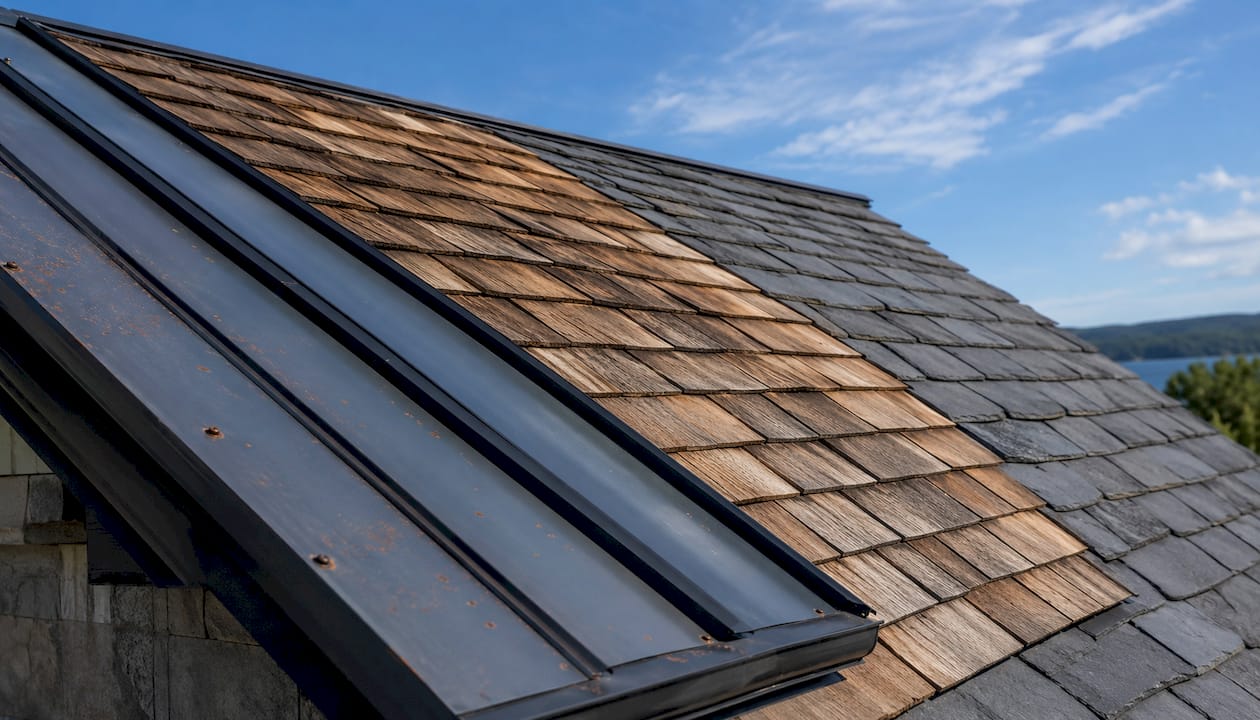
- Wood (shingles or shakes): natural appearance, but requires regular treatment and maintenance
- Clay or concrete tiles: fireproof and heavy, suited to warmer climates with reinforced roof structures
- Slate: premium longevity, significant weight, and higher installation cost
- Composite or synthetic: engineered blends that mimic natural materials at a lower weight
Climate and roof slope both drive the right choice. Asphalt shingles, for example, require a slope of at least 2:12 per the International Building Code. Steeper pitches shed water faster and open up more material options. If you’re weighing materials for a New England home specifically, Jsignorexteriors has a dedicated guide on choosing roofing material for local climate conditions.
Asphalt shingles: structure, styles, and lifespan
Asphalt shingles dominate the U.S. residential market for good reason. They’re relatively inexpensive, straightforward to install, and available in dozens of colors and profiles. Understanding their construction helps you evaluate quality before you buy.
What’s inside an asphalt shingle:
- Fiberglass mat core: provides structural strength and fire resistance
- Asphalt coating: the waterproofing layer that bonds the mat to the granules
- Mineral granules: block UV light, add color, and slow weathering
- Self-sealing adhesive strip: bonds each shingle to the one above it, resisting wind lift
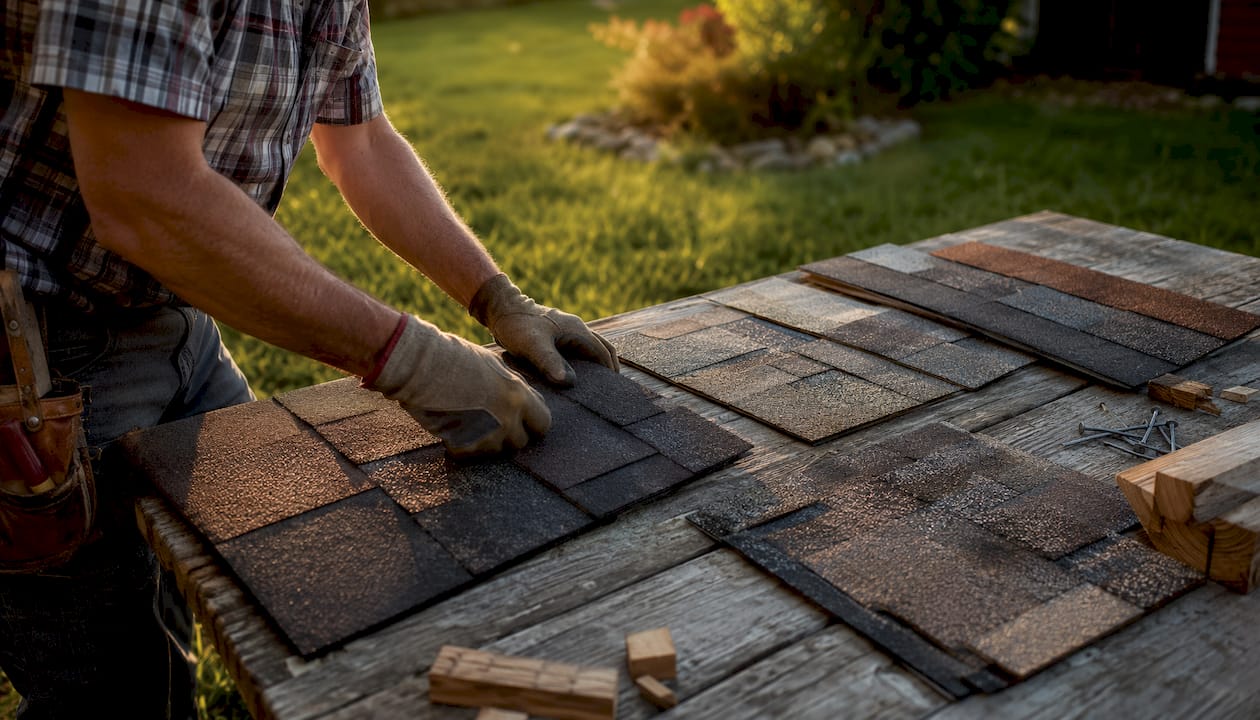
Fiberglass shingles can earn a Class A fire rating, the highest available. Organic mat shingles, which use a paper or cellulose base saturated with asphalt, max out at Class B because their core is combustible.
The three style tiers:
- Three-tab shingles: flat, uniform, and the lightest option; typically last 15–18 years and carry shorter warranties
- Architectural (dimensional) shingles: thicker, layered, and designed to mimic wood shake; generally last 24–30 years with warranties sometimes reaching 50 years (prorated)
- Luxury or multilayered architectural shingles: the thickest and heaviest tier, offering the most realistic shadow lines and the longest coverage periods
CertainTeed is one manufacturer whose product lines span all three tiers, from entry-level three-tab options to premium multilayered profiles. The Asphalt Roofing Manufacturers Association (ARMA) publishes installation and performance standards that apply across the industry regardless of brand.
Pro Tip: Thermal shock is one of the leading causes of premature shingle aging. Roofs in climates with wide daily temperature swings age faster than those in consistently warm or cool regions, so factor your local climate into the warranty length you target when selecting a shingle grade.
Weather extremes accelerate aging in a specific way: repeated expansion and contraction causes the asphalt to oxidize and become brittle over time. Proper attic ventilation slows that process by reducing the temperature differential the shingles experience.
Other shingle materials and what sets them apart
Asphalt isn’t the only option, and for some homes it isn’t even the best one. Roof shingle materials range from recycled rubber to natural quarried slate, each with a distinct set of trade-offs.
- Metal shingles (steel or aluminum): stamped panels that mimic slate, cedar, or tile; last 40–50 years or longer; fire-resistant and heat-reflective; higher upfront cost than asphalt but often cost-effective over the roof’s life
- Wood shingles and shakes: cedar is the most common species, naturally rot-resistant and insect-repellent; shakes are split for a rougher texture while shingles are sawn smooth; both require fire treatment, and some municipalities restrict their use in fire-prone zones
- Clay and concrete tiles: non-combustible and extremely durable in dry, warm climates; heavy enough to require a reinforced roof structure before installation
- Slate shingles: quarried stone that can last 80–400 years depending on quality and maintenance; expensive to install and requires a specialist; the weight demands structural assessment
- Composite or synthetic shingles: made from blends of asphalt, fiberglass, polymers, or rubber; designed to look like slate or wood; typically weigh about the same as asphalt, so no structural upgrade is needed; expected lifespan of 20–50 years
- Rubber shingles: typically made from recycled materials including tires; hail-resistant and quieter than most roofing; last roughly twice as long as asphalt but cost about twice as much
For a side-by-side look at how these materials perform in commercial applications, Jsignorexteriors covers roofing material types across Connecticut projects in detail.
Shingle ratings and classifications you should know before buying
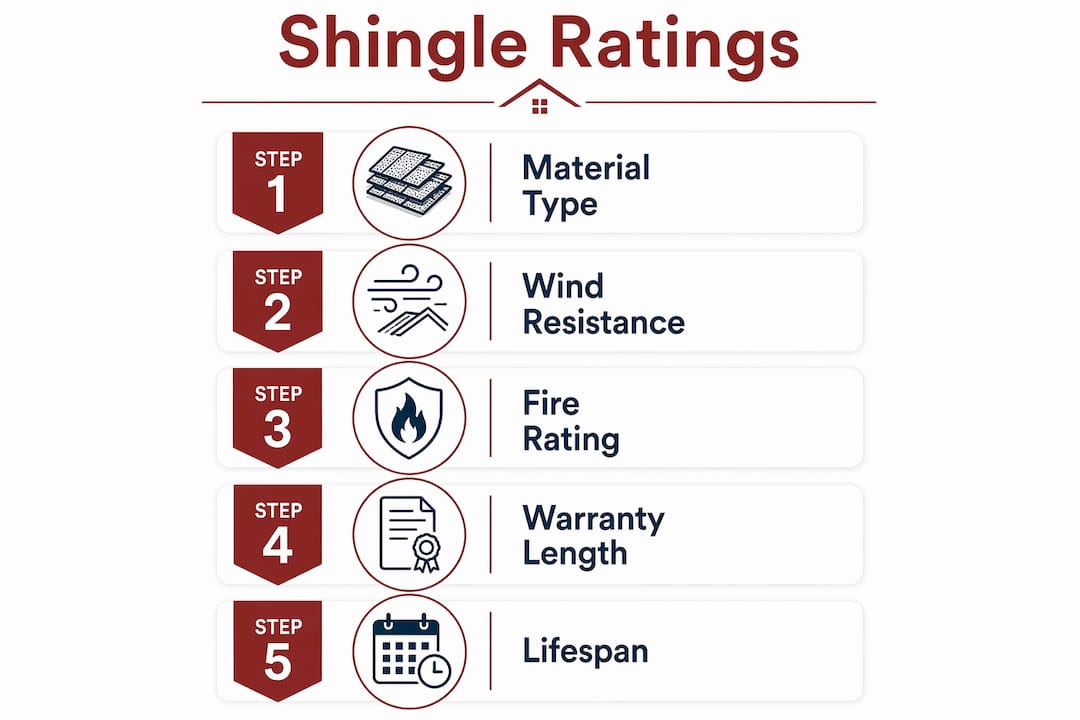
Performance ratings are where shingle shopping gets technical, but they directly affect your insurance premiums and how well your roof holds up in a storm. Three classification systems matter most.
Impact resistance (UL 2218):
- Class 3: passes a 1.75-inch steel ball drop test; adequate for moderate hail regions
- Class 4: passes a 2-inch steel ball drop test; recommended for hail-prone areas and often qualifies homeowners for insurance discounts
- Most insurance companies offer premium reductions for Class 4 rated shingles, making the higher upfront cost worth considering
Wind resistance (ASTM D7158):
- Class D: rated for basic wind speeds up to 90 mph
- Class G: rated up to 120 mph
- Class H: rated up to 150 mph, the highest standard for residential steep-slope roofing
Fire resistance (UL 790 / ASTM E 108):
- Class A: highest rating; fiberglass asphalt shingles and most metal and slate options qualify
- Class B: organic asphalt shingles with paper or cellulose cores; treated wood shakes can reach this level
- Class C: minimum acceptable rating; untreated wood shingles typically fall here
These ratings also tie directly to warranty validity. A shingle installed in a high-wind zone without the appropriate wind-resistance class may not be covered if it fails in a storm. Roofing permit requirements in jurisdictions like Miami-Dade County, for example, specify product approval standards that go beyond basic building codes. Checking local requirements before purchasing protects both your investment and your coverage.
The full roofing system: what works beneath and around your shingles
Shingles get all the attention, but the components underneath them determine whether your roof actually keeps water out. Roofing experts consistently point out that the entire system determines longevity, not the shingles alone. Most leaks start at flashing and penetrations, not at the shingle surface itself.
Key system components:
- Roof decking: the structural plywood or OSB base that everything attaches to; understanding its role helps you catch early rot or damage before a full replacement becomes necessary
- Underlayment: a secondary water barrier (felt or synthetic sheet) installed over the decking; catches any water that gets past the shingles
- Ice-and-water shield: a self-adhering membrane applied at eaves, valleys, and penetrations in cold climates to block ice dam infiltration
- Drip edge: metal flashing along the roof’s perimeter that directs water away from the fascia and into the gutters
- Starter strips: the first row of shingles or a dedicated starter product that seals the bottom edge and prevents wind from lifting the first course
- Flashing: sheet metal installed at chimneys, skylights, vents, and roof-to-wall transitions; the most common source of leaks when improperly installed
- Ventilation: ridge vents, soffit vents, and attic fans that regulate heat and moisture; inadequate ventilation voids many shingle warranties and accelerates aging
Proper nailing is just as critical as any of these components. Incorrect nail placement — angled, under-driven, or over-driven — is a primary cause of shingle slippage and wind damage, and it voids manufacturer warranties. Every shingle manufacturer specifies a nailing pattern; deviating from it puts both performance and coverage at risk.
Pro Tip: DIY roof installation without professional training risks warranty voidance and costly follow-up repairs. Common errors like missing drip edges, improper nail placement, and skipped ice-and-water shield are invisible from the ground but show up as leaks within a few seasons.
A complete roofing system also depends on properly functioning gutters to carry water away from the foundation once it leaves the drip edge. Jsignorexteriors covers gutter installation as part of a full exterior approach.
What does a new shingle roof actually cost?
Shingle pricing varies more than most homeowners expect, and the shingles themselves are often not the biggest line item. Labor, system components, and local market rates all shift the final number.
| Shingle type | Material cost per square | Typical lifespan |
|---|---|---|
| Three-tab asphalt | $75 | 15–18 years |
| Architectural asphalt | — | 24–30 years |
| Metal shingles | Higher than asphalt | 40–50+ years |
| Composite/synthetic | Comparable to architectural asphalt | 20–50 years |
| Natural slate | Varies widely by region | 80–400 years |
Prices above for asphalt are sourced from Consumer Reports national averages. Natural slate installation costs, which are driven primarily by specialized labor, range from $4,389 to $22,377 nationally according to Angi data cited by Consumer Reports.
Several factors push costs up or down beyond the shingle price itself:
- Roof size and complexity: more valleys, hips, and penetrations mean more flashing and more labor hours
- Removal of existing layers: tearing off old shingles adds cost; only three-tab shingles can be installed over a single existing layer, and even then, warranty terms may be affected
- Decking condition: rotted or damaged decking discovered during tear-off adds material and labor costs that are hard to predict in advance
- Shingle grade and rating: Class 4 impact-resistant shingles cost more upfront but may offset that through insurance savings over time
- Regional labor rates: Connecticut labor markets differ from national averages, so local bids are the most reliable pricing guide
Getting at least three contractor bids is standard practice. Labor and accessory costs vary even when the same shingles are being installed, so comparing bids line by line tells you more than the total alone. For a deeper look at where replacement costs concentrate, Jsignorexteriors breaks down the most expensive part of a roof replacement in detail.
Key Takeaways
Asphalt shingles remain the dominant residential roofing material in the U.S., but the right shingle type, rating, and system components together determine how long your roof actually lasts and what it costs to maintain.
| Point | Details |
|---|---|
| Shingles work as a system | Underlayment, flashing, and ventilation are as critical as the shingles themselves for preventing leaks. |
| Lifespan varies by type | Three-tab asphalt lasts 15–18 years; architectural asphalt 24–30 years; metal shingles 40–50+ years. |
| Class 4 impact rating pays off | UL 2218 Class 4 shingles resist hail better and often qualify homeowners for insurance premium discounts. |
| Nailing errors void warranties | Angled, under-driven, or over-driven nails cause wind damage and are the most common installation mistake. |
| Cost goes beyond shingles | Decking condition, labor rates, and system components often exceed the shingle material cost itself. |
Ready to replace or repair your roof in Connecticut?
Jsignorexteriors has served Connecticut homeowners for more than 30 years, handling everything from single-shingle repairs to complete roof replacements across the state. As a fully licensed and insured contractor, the team brings the same attention to system components, proper nailing, and ventilation that separates a roof that lasts from one that leaks in year three.
Whether you’re in Farmington, Hartford, or anywhere across Connecticut, Jsignorexteriors offers personalized assessments and honest recommendations. Contact the team through the Connecticut roofing services page to schedule a consultation.