
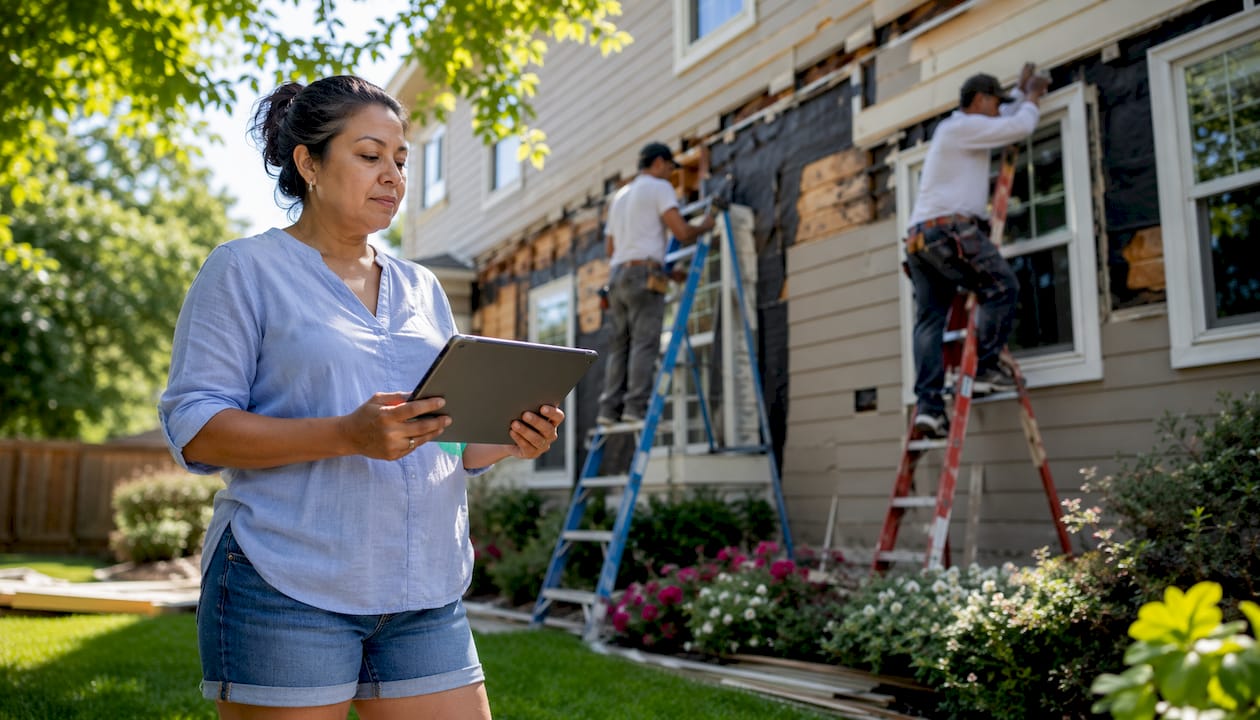
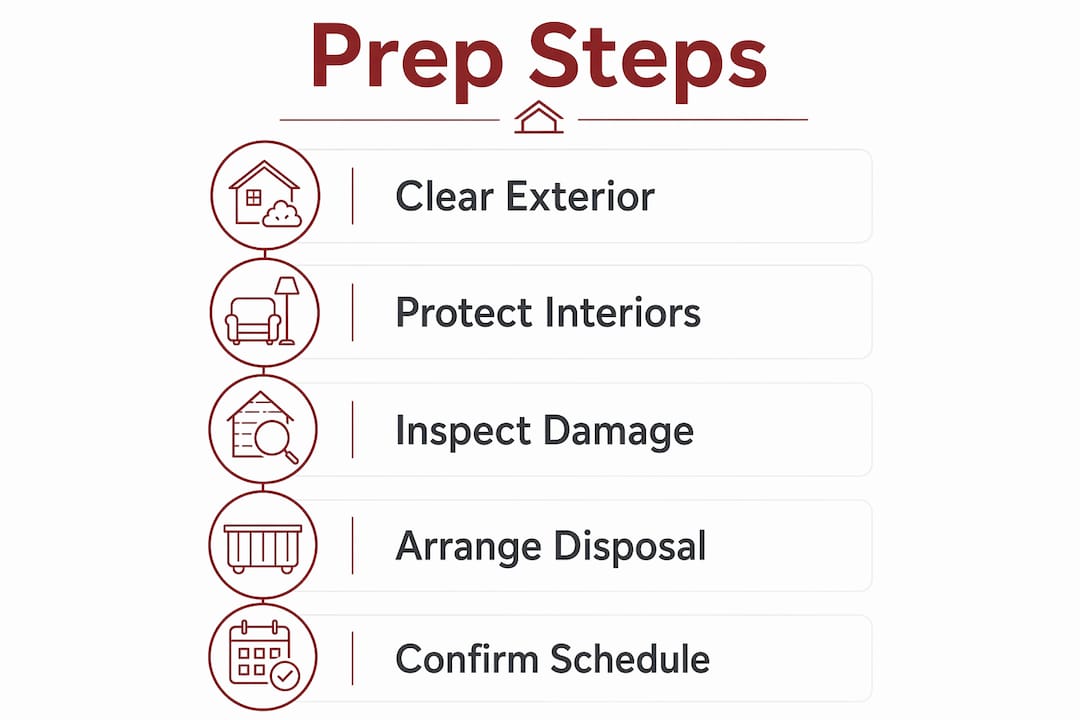
Getting ready for a siding replacement means more than picking a color and signing a contract. The preparation you do in the days before your crew arrives directly affects how smoothly the project runs, how well your belongings are protected, and how quickly the work gets done. Here is what experienced contractors consistently recommend:
- Clear a wide perimeter around your home by moving patio furniture, grills, planters, and decorations
- Trim shrubs and branches back from exterior walls to give crews safe, unobstructed access
- Remove fragile pictures, mirrors, and shelved items from interior walls that face the exterior
- Protect windows and doors with plastic sheeting or painter’s tape
- Move vehicles out of the driveway and clear parking for crew equipment
- Arrange alternate care for pets and children during peak construction hours
- Unlock gates and note any access issues around the property
- Confirm the project schedule, daily work hours, and your contractor’s direct contact
Starting these tasks several days ahead, not the night before, gives you time to handle anything unexpected.
Table of Contents
- How to prepare your home for siding replacement: exterior and interior steps
- How to keep pets, children, and your daily routine safe during the project
- What to discuss with your siding installation contractor before work begins
- Expert contractor insights on siding replacement preparation
- Checking for exterior damage before siding removal
- Arranging for waste disposal and debris removal
- Jsignorexteriors brings 30 years of exterior expertise to your project
- Key Takeaways
How to prepare your home for siding replacement: exterior and interior steps
Protecting your property on both sides of the wall takes a little planning but prevents most of the common headaches.
Outside the home:
- Move all patio furniture, grills, and decorative items well away from the house to provide clear access
- Cover anything too heavy to relocate with a tarp
- Trim back shrubs and low branches so crews have clear, unobstructed access to every wall section
- Clear the driveway for trailers, delivery trucks, and debris containers
- Unlock side gates and mark any soft ground, low-clearance areas, or exterior outlets the crew should know about
- Cut the grass short before work begins; shorter grass makes nail and debris cleanup much easier
- Photograph your landscaping and exterior before any work starts, so you have a baseline record if damage occurs
Inside the home:
- Remove fragile wall-mounted items from exterior-facing walls; siding removal creates real vibration that can knock frames and mirrors loose
- Clear shelves near outside walls of glass décor and collectibles
- Cover furniture in rooms adjacent to exterior walls with plastic sheeting or old blankets to limit dust
- Close interior doors to slow dust from spreading through the house
Pro Tip: Preparing your home several days before the start date, rather than the morning of, lets you ask questions while there is still time to adjust anything that needs attention.
For a broader look at exterior project prep, the home renovation best practices guide covers moving and covering outdoor items in detail.
How to keep pets, children, and your daily routine safe during the project
Siding work is loud, active, and ongoing. Plan for noise and possible off-site arrangements for anyone in your household who is sensitive to construction sounds.
- Keep pets in a quiet interior room or arrange for them to stay elsewhere during the noisiest phases; dogs often react strongly to hammering and unfamiliar people near windows
- Set up a safe indoor zone for young children away from any exterior walls being worked on
- If you work from home, plan to take calls from a quieter room or schedule off-site time during peak noise hours
- Remove or store outdoor play equipment and toys before the crew arrives to prevent accidental damage
- Communicate your household schedule to your contractor so they can flag which days will be loudest
Short-term disruption is normal. The key is planning around it rather than being caught off guard mid-project.
What to discuss with your siding installation contractor before work begins
Clear communication before the first board comes off prevents most of the friction that builds during a project. A pre-construction walkthrough with your contractor is the single most effective step you can take.
- Walk every elevation with the foreman who will actually run the crew, not just the salesperson
- Confirm the project scope matches your written estimate and agree on daily work hours
- Point out sensitive areas: delicate landscaping, an AC condenser, a deck, or any exterior fixture you want protected
- Get a direct contact number for mid-week questions so you are not routing everything through an office
- Discuss how weather delays will be handled and what temporary protection goes up if rain interrupts the work
- Ask how change orders work if hidden damage is found once old siding comes off; agree on the approval process before it happens
Homeowners who set these expectations on day one tend to have far fewer surprises by the end of the project.
Expert contractor insights on siding replacement preparation
Experienced exterior contractors point to a handful of preparation steps that homeowners most often skip, and those gaps are where most project problems originate.
- Start preparation several days before the project, not the morning of; last-minute scrambling slows the crew and adds stress
- A thorough day-one walkthrough with the foreman sets clear expectations and prevents costly miscommunications later
- Proper trimming of shrubs and branches protects your plants and lets installers work faster around the perimeter
- Vibrations during tear-off are stronger than most homeowners expect; fragile interior items on exterior walls should come down before the crew arrives
- Photograph your home’s condition before work begins; that documentation matters if you need to discuss any damage with your contractor or insurer
- Verify your contractor’s license through your state contractor board and confirm current general liability and workers’ compensation insurance before signing anything
- Hidden damage like rot or mold is often discovered once old siding is removed; discuss the approval process for repairs before work starts so you are not making rushed decisions mid-project
- If your home is in an HOA or a historic district, secure aesthetic and permit approvals well ahead of your start date; approvals can take four to eight weeks and will stall your project if missed
Checking for exterior damage before siding removal
Walking your home’s exterior before the crew arrives gives you a clearer picture of what you are working with and helps you have an informed conversation with your contractor.
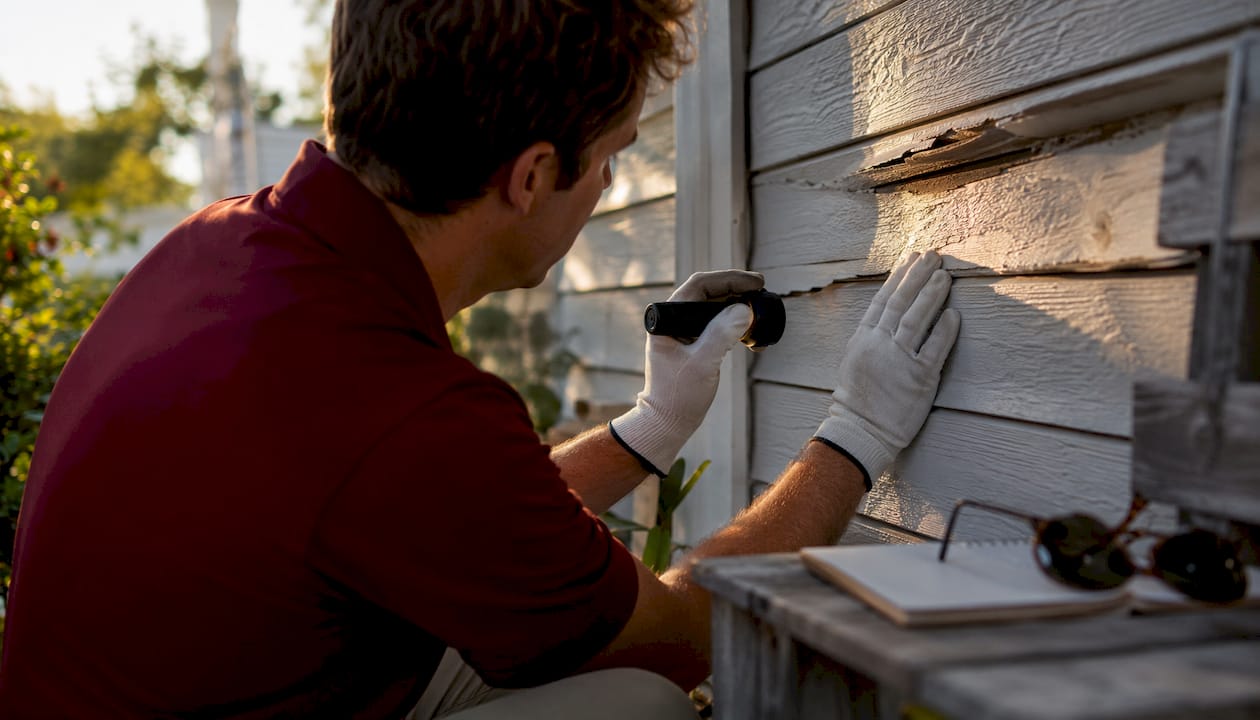
Look for cracked or warped panels, soft trim around windows and doors, gaps at seams or corners, and any visible mold or water staining below siding joints. These are signs that moisture may have already reached the sheathing beneath. If you notice musty smells near exterior walls or soft drywall on the inside, mention it to your contractor before tear-off begins.
Documenting these conditions with photos before work starts protects you. If a contractor finds rot or structural damage once the old siding is off, you will want a clear record of what was visible beforehand versus what was hidden. Repairs to sheathing or framing are sometimes necessary before new siding can go up, and knowing the approval process for those repairs in advance keeps the project moving without surprises.
For a full exterior remodeling checklist that covers pre-project inspection steps, Jsignorexteriors has a detailed resource built specifically for Connecticut homeowners.
Arranging for waste disposal and debris removal
Siding tear-off generates a real volume of debris, and managing it is part of keeping the job site safe and on schedule.
Most professional contractors arrange for a dumpster to be placed on-site before work begins. Confirm with your contractor where the dumpster will go, typically in the driveway or close to the work area, and make sure that space is clear before the crew arrives. If your driveway is narrow or your street parking is limited, work out the logistics ahead of time.

Ask your contractor explicitly who is responsible for debris removal and what the cleanup schedule looks like. A professional crew cleans up at the end of each workday so you are not living in a construction zone overnight. Nail and scrap cleanup around the perimeter matters especially if you have children or pets using the yard. Wearing sturdy shoes outside during the project is a practical habit until the final cleanup is complete.
Jsignorexteriors brings 30 years of exterior expertise to your project
Siding replacement is one of the most visible improvements you can make to your home, and the preparation behind it deserves the same attention as the installation itself.

Jsignorexteriors is a family-owned exterior remodeling contractor serving homeowners throughout Connecticut, with more than 30 years of experience in siding installation, roofing, gutters, windows, and more. Every project starts with a thorough walkthrough, clear scheduling, and direct communication from a team that has handled the full range of what Connecticut homes throw at a crew, including hidden rot, weather delays, and HOA requirements. You get a licensed, insured contractor who treats your property with care and finishes on time and within budget. To get started, contact Jsignorexteriors for a free estimate on your siding project.
Key Takeaways
Preparing your home several days before siding replacement begins, covering both exterior clearance and interior protection, is the single most effective way to keep the project on schedule and your belongings safe.
| Point | Details |
|---|---|
| Clear a wide perimeter | Move furniture, grills, and décor at least 10–20 feet from the house before the crew arrives. |
| Protect interior walls | Remove fragile items from exterior-facing walls; vibrations during tear-off can knock them loose. |
| Trim landscaping early | Trim back shrubs and low branches so crews have clear, unobstructed access to every wall section |
| Verify contractor credentials | Confirm an active license and current insurance certificates before signing any contract. |
| Jsignorexteriors | A licensed, insured Connecticut contractor with 30+ years of experience in siding replacement and full exterior remodeling. |