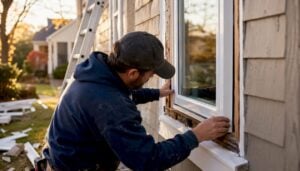

Hiring a licensed exterior contractor is the single most effective way to protect your home, your finances, and your legal standing during any exterior remodeling project. In Connecticut, a contractor’s license is more than a registration card. It signals that the contractor has passed technical exams, cleared background checks, and maintains active insurance coverage. Whether you are planning a roof replacement, new siding, or a deck build, the benefits of a licensed exterior contractor extend far beyond the finished product. Jsignorexteriors has served Connecticut homeowners and business owners for more than 30 years, and the difference licensing makes shows up on every project.
1. What legal and financial protections do licensed exterior contractors provide?
Licensed contractors provide a legal safety net that unlicensed contractors simply cannot offer. Connecticut’s licensing framework requires contractors to carry liability insurance and workers’ compensation coverage before they can legally operate. That requirement protects you in ways most homeowners do not realize until something goes wrong.
The most overlooked risk is worker injury. If a contractor lacks workers’ compensation insurance, you bear full liability for any medical costs and legal claims from a jobsite accident on your property. That exposure can run into tens of thousands of dollars. A licensed contractor transfers that risk entirely.

Connecticut also maintains a contractor recovery fund. State recovery funds can provide up to $30,000 in compensation if a licensed contractor abandons a project or delivers faulty work. That fund is only accessible when you hire a licensed professional. Unlicensed work leaves you with no formal recourse.
Unpermitted and unlicensed work creates additional financial exposure. Unpermitted exterior work can trigger fines, forced deconstruction, or outright denial of insurance claims. When you sell your home, unpermitted work surfaces during inspection and can kill a sale or force costly remediation.
Key legal and financial protections include:
- Workers’ compensation coverage that removes your personal liability for jobsite injuries
- Access to Connecticut’s contractor recovery fund for up to $30,000 in compensation
- Liability insurance that covers property damage caused during the project
- Permit compliance that protects your home’s resale value and insurance eligibility
2. How licensing ensures work quality and warranty protection
A contractor’s license sets a baseline for workmanship. Connecticut law requires licensed contractors to meet minimum standards on every project. That requirement filters out the contractors who cut corners on materials, skip steps in installation, or walk away before the job is done.
Manufacturer warranties add another layer. Premium roofing, siding, and window products carry warranties that are only valid when a certified installer completes the work. Manufacturer certifications are separate from basic licensing and reflect advanced training specific to a product line. Without that certification, the warranty is void from day one.
Unlicensed installation voids warranties on materials like roofing shingles and fiber cement siding. You could spend $15,000 on premium materials and lose all long-term protection simply because the installer was not certified. That is a risk no homeowner should take.
Permits and inspections also confirm quality. When a licensed contractor pulls a permit and passes a municipal inspection, a third party verifies that the work meets Connecticut building codes. That verification protects you if a dispute arises later.
Pro Tip: Ask your contractor to show you the manufacturer’s certification document before signing any contract. A legitimate certified installer will have it on hand or can pull it up immediately.
Quality assurance benefits of licensed contractors include:
- Minimum workmanship standards enforced by Connecticut licensing law
- Manufacturer certifications that activate enhanced product warranties
- Third-party permit inspections that confirm code compliance
- A documented paper trail that supports future insurance claims or resale disclosures
3. Why local presence matters for Connecticut contractors
Local licensing is not just a formality. A contractor based in Connecticut understands the state’s specific building codes, municipal permit requirements, and the weather conditions that affect exterior materials. Connecticut winters bring freeze-thaw cycles that stress roofing and siding in ways that contractors from other regions may not account for.
Local contractors know regional weather patterns and the specific building codes that govern exterior work in Connecticut towns. That knowledge affects material selection, installation methods, and how a contractor handles flashing, drainage, and ventilation. Getting those details right the first time prevents expensive repairs down the road.
Local presence also means accountability after the project ends. A contractor with a physical office in Connecticut can respond to warranty calls, schedule follow-up visits, and stand behind their work. A contractor who travels in after a storm and leaves town when the job is done offers no such support.
Storm-chasing contractors are a real problem in Connecticut. After major weather events, out-of-area crews arrive offering fast, low-cost repairs. They often lack Connecticut licenses, carry minimal insurance, and disappear before warranty issues surface. Choosing a locally licensed contractor eliminates that risk entirely.
Benefits of hiring a local licensed contractor:
- Knowledge of Connecticut’s municipal permit processes and regional building codes
- Familiarity with local climate conditions that affect material performance
- Accessible warranty service and ongoing support after project completion
- Accountability enforced by Connecticut’s local licensing boards and consumer protection agencies
For business owners, the stakes are even higher. You can learn more about commercial contractor licensing requirements specific to Connecticut to understand what credentials your contractor must hold before work begins.
4. Practical tips for verifying a contractor’s license and insurance
Verifying credentials takes less than 30 minutes and protects you from significant financial and legal exposure. The Connecticut Department of Consumer Protection maintains an online portal where you can confirm any contractor’s license status in real time. If the license is expired, suspended, or simply absent, that is a clear signal to walk away.
Insurance verification requires a separate step. Ask the contractor to provide a current Certificate of Insurance showing both general liability coverage and workers’ compensation. Call the insurance carrier directly to confirm the policy is active. Contractors who hesitate to provide this document are a red flag.
Vetting contractor longevity protects you from “phoenix” businesses. These are companies that dissolve under one name to escape warranty obligations or legal judgments, then reopen under a new name. Ask how long the company has operated under its current name. Request references from material suppliers or financial institutions, not just past customers.
Pro Tip: Search the contractor’s business name in Connecticut’s Secretary of State database. A company registered for less than two years with no verifiable history deserves extra scrutiny before you sign anything.
Follow these steps in order:
- Search the contractor’s license on the Connecticut Department of Consumer Protection portal
- Request a Certificate of Insurance and call the carrier to verify active coverage
- Confirm workers’ compensation coverage is current and covers all crew members
- Check how long the company has operated under its current name
- Ask for supplier or financial references in addition to customer references
- Review the remodel contract terms before signing to confirm permit responsibilities are clearly assigned
A licensed contractor’s credentials include background checks and insurance verification, not just a registration number. That distinction matters when you are trusting someone with your home.
Key Takeaways
Hiring a licensed exterior contractor in Connecticut protects your finances, your property’s value, and your legal standing in ways that unlicensed work cannot replicate.
| Point | Details |
|---|---|
| Legal and financial protection | Licensed contractors carry required insurance and give you access to Connecticut’s $30,000 recovery fund. |
| Warranty validity | Only certified, licensed installers can activate manufacturer warranties on roofing, siding, and windows. |
| Permit compliance | Licensed contractors pull permits, ensuring work passes inspection and protects your resale value. |
| Local accountability | Connecticut-based contractors understand regional codes and provide accessible warranty support after completion. |
| Credential verification | Confirm license status, insurance, and company longevity before signing any contract. |
What I’ve learned after watching homeowners skip this step
I have seen the same scenario play out more times than I care to count. A homeowner gets three quotes, picks the lowest one, and discovers six months later that the contractor was unlicensed. The roof leaks. The manufacturer’s warranty is void. The contractor is unreachable. And the homeowner is left holding a repair bill that costs more than the original savings.
The uncomfortable truth about unlicensed contractors is that the savings are almost always temporary. The upfront price looks attractive. But without workers’ compensation coverage, without permit compliance, and without manufacturer certifications, you are absorbing risks that a licensed contractor would have carried for you. When those risks materialize, they are expensive.
What I find most reassuring about working with licensed, local contractors is the accountability structure. Connecticut’s licensing board gives you a formal channel to file complaints and seek compensation. That structure does not exist with unlicensed work. You are on your own.
My advice is direct: verify the license before you discuss price. A contractor who cannot show you a valid Connecticut license and a current Certificate of Insurance is not a contractor worth hiring at any price. The licensing process exists to protect you, and the contractors who go through it are telling you something important about how they operate.
— Adam
Jsignorexteriors: Licensed, local, and ready to work
Jsignorexteriors has operated as a fully licensed and insured exterior remodeling contractor in Connecticut for more than 30 years. Every project includes proper permitting, verified insurance coverage, and workmanship backed by manufacturer certifications. You get the legal protections, warranty coverage, and local accountability that licensed contractor advantages are built to deliver.
Whether you need a roof replacement in Connecticut or a complete exterior remodel, Jsignorexteriors handles permits, coordinates inspections, and stands behind every project with accessible local support. Explore the full range of exterior remodeling services to find the right fit for your home or commercial property. Reach out today for a transparent estimate with no hidden costs.
FAQ
What does a Connecticut contractor’s license actually prove?
A Connecticut contractor’s license confirms that the contractor has passed technical exams, cleared a background check, and maintains active insurance coverage. It is a verified credential, not just a registration number.
Can I lose my homeowner’s insurance claim if I hire an unlicensed contractor?
Yes. Unpermitted or unlicensed work can result in outright denial of insurance claims, because insurers require code-compliant installations as a condition of coverage.
Does licensing affect the product warranty on roofing or siding?
Licensing and manufacturer certification directly affect warranty validity. Non-certified installation voids warranties on premium materials, leaving you without long-term coverage regardless of the product’s quality.
How do I check a contractor’s license in Connecticut?
Visit the Connecticut Department of Consumer Protection’s online portal and search the contractor’s name or license number. The search takes under five minutes and confirms whether the license is active or expired.
What is a “phoenix” contractor and why should I avoid one?
A phoenix contractor is a business that dissolves under one name to escape legal or warranty obligations, then reopens under a new name. Checking company longevity and references protects you from hiring one of these operations.