Exterior siding is defined as the protective cladding applied to the outer walls of a building to shield it from weather, regulate energy loss, and define curb appeal. Choosing the right type from the many available types of exterior siding materials directly affects how long your home lasts, how much you spend on maintenance, and how much energy you save each year. Materials range from vinyl at $4.50–$8.20 per square foot to natural stone at $38–$48 per square foot, with lifespans stretching from 20 years to over a century. Jsignorexteriors has guided Connecticut homeowners through these decisions for more than 30 years, and the guidance below reflects that real-world experience.
1. What are the most popular types of exterior siding materials?
Exterior siding materials fall into two broad categories: natural and manufactured. Natural options include wood, brick, and stone. Manufactured options include vinyl, fiber cement, engineered wood, metal, and stucco. Each serves a different combination of budget, climate, and aesthetic goals.
Here is a quick overview of the most common choices:
- Vinyl siding: The most widely installed option in the United States. Vinyl is affordable and requires minimal upkeep, but it does not resist fire.
- Wood siding: Classic appearance with a lifespan of 20–40 years. Requires regular painting or staining and is vulnerable to moisture and pests.
- Fiber cement siding: A composite of cement, sand, and cellulose fibers. Resists rot, fire, and insects, with a lifespan of 30–50 years.
- Engineered wood siding: Combines wood fibers and resin for better pest and moisture resistance than natural wood, at a lower price point.
- Metal siding (steel or aluminum): Resists rot, pests, and fire. Common on commercial and industrial buildings but increasingly popular on modern homes.
- Brick veneer: One of the longest-lasting options, with a lifespan reaching 100 years. High upfront cost, very low maintenance.
- Stucco: A cement-based finish applied in layers. Durable in dry climates, but requires careful moisture management in humid regions.
- Natural stone: The premium choice for aesthetics and longevity, but also the most expensive siding material available.
Pro Tip: Before selecting a material, check your local climate data. Connecticut’s freeze-thaw cycles and humid summers affect how each material performs over time.
2. How does each siding material compare in cost, durability, and maintenance?
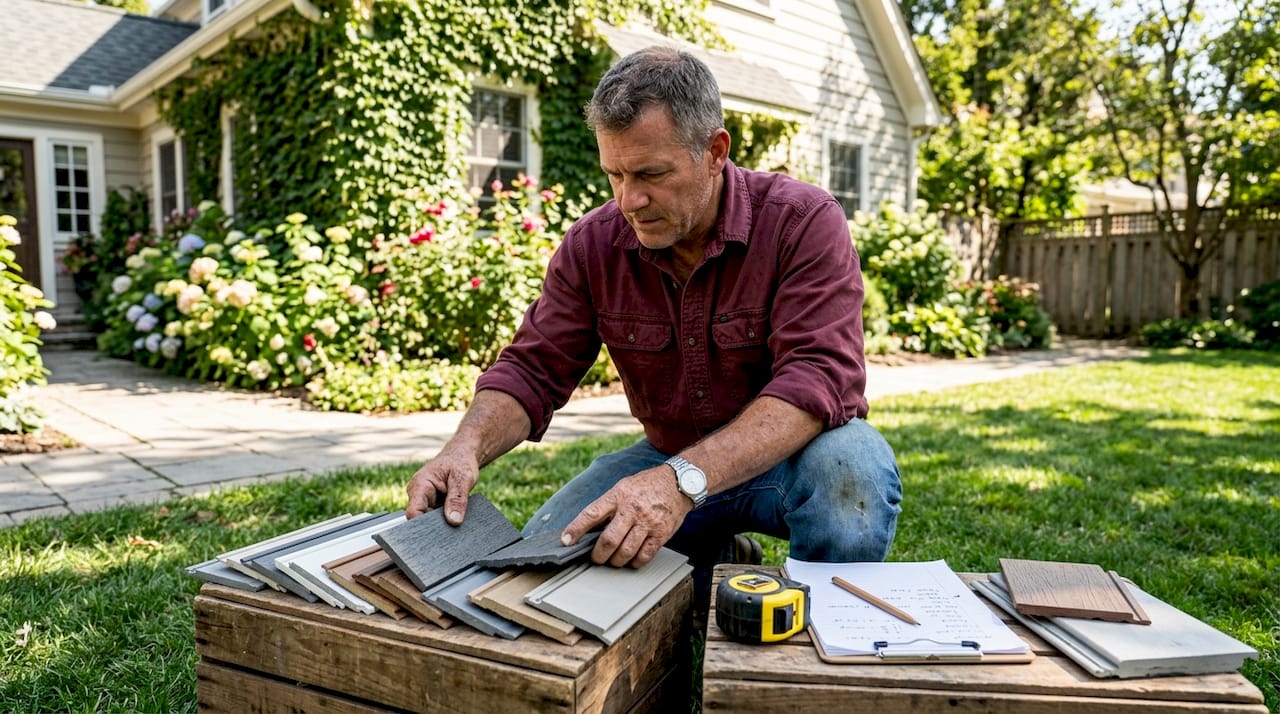
Cost and lifespan are the two numbers that matter most when comparing siding options. The table below summarizes key data across the most common exterior siding types.
| Material | Cost per sq ft | Lifespan | Fire resistance | Maintenance level |
|---|---|---|---|---|
| Natural stone | $38–$48 | 75+ years | High | Low |
| Stucco | $9.30–$16.90 | 50+ years | High | Medium |
| Wood | $6.90–$13.90 | 20–40 years | Low | High |
| Aluminum | $5.60–$10.30 | 40–50 years | Medium | Low |
| Fiber cement | $4.70–$8.50 | 30–50 years | High | Low |
| Vinyl | $4.50–$8.20 | 20–30 years | Low | Low |
| Steel | $4.25–$8.25 | 40–70+ years | High | Low |
| Engineered wood | $3–$8 | 20–30 years | Medium | Low |
These cost ranges per square foot reflect material costs only. Labor, removal of old siding, and any needed moisture barrier upgrades add to the total.
Fiber cement sits in a strong middle ground. It costs less than stone or stucco, lasts 30–50 years, and resists fire and rot without demanding much upkeep. That combination makes it the most recommended material for Connecticut homeowners who want long-term value without a premium price tag.
Pro Tip: Get quotes that include water-resistive barrier installation. Skipping this step to save money upfront is one of the most common and costly mistakes homeowners make.
Wood siding carries the highest maintenance burden. Without regular painting or staining every 3–7 years, wood absorbs moisture, warps, and invites rot. If you love the look of wood but want less work, engineered wood delivers a nearly identical appearance with far less upkeep.
3. Which siding materials offer the best energy efficiency and weather protection?
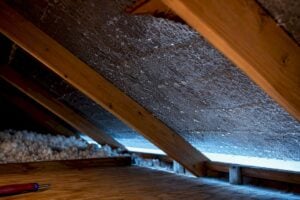
Siding alone does not insulate your home. Siding must integrate with air barriers and insulation layers to preserve thermal efficiency. Think of siding as the outer shell of a system, not a standalone solution.
The materials that contribute most to energy performance share two traits: they resist moisture infiltration, and they work well with continuous insulation boards installed behind them. Fiber cement, metal, and stucco all meet this standard when installed correctly.
Key factors that affect energy efficiency and weather protection:
- Insulated vinyl siding: Some vinyl products include a foam backing that improves the R-value of the wall assembly. This is worth the modest price premium in cold climates.
- Fiber cement with house wrap: When installed over a quality water-resistive barrier, fiber cement dramatically reduces air infiltration and moisture intrusion.
- Metal siding with thermal breaks: Steel and aluminum conduct heat, so proper installation includes a thermal break layer to prevent energy loss through the wall.
- Stucco in dry climates: Stucco performs well in low-humidity regions. In Connecticut’s wet climate, it requires flashing and drainage details to prevent water from getting trapped behind the surface.
Proper siding installation combined with airtight barriers and insulation is the single most important factor in home energy efficiency. The best material installed poorly will underperform a modest material installed correctly every time.
Moisture intrusion from failing siding can cause rot and mold that spreads into structural framing. Catching siding problems early costs far less than repairing the damage they leave behind. Jsignorexteriors recommends a professional inspection any time you notice bubbling paint, soft spots near windows, or gaps at seams.
Site-specific environmental conditions, especially drainage and moisture management, influence siding lifespan more than material quality alone. A premium stone facade installed without proper flashing will fail faster than vinyl installed with a solid drainage plane.
4. What are the best siding options for different property types and budgets?
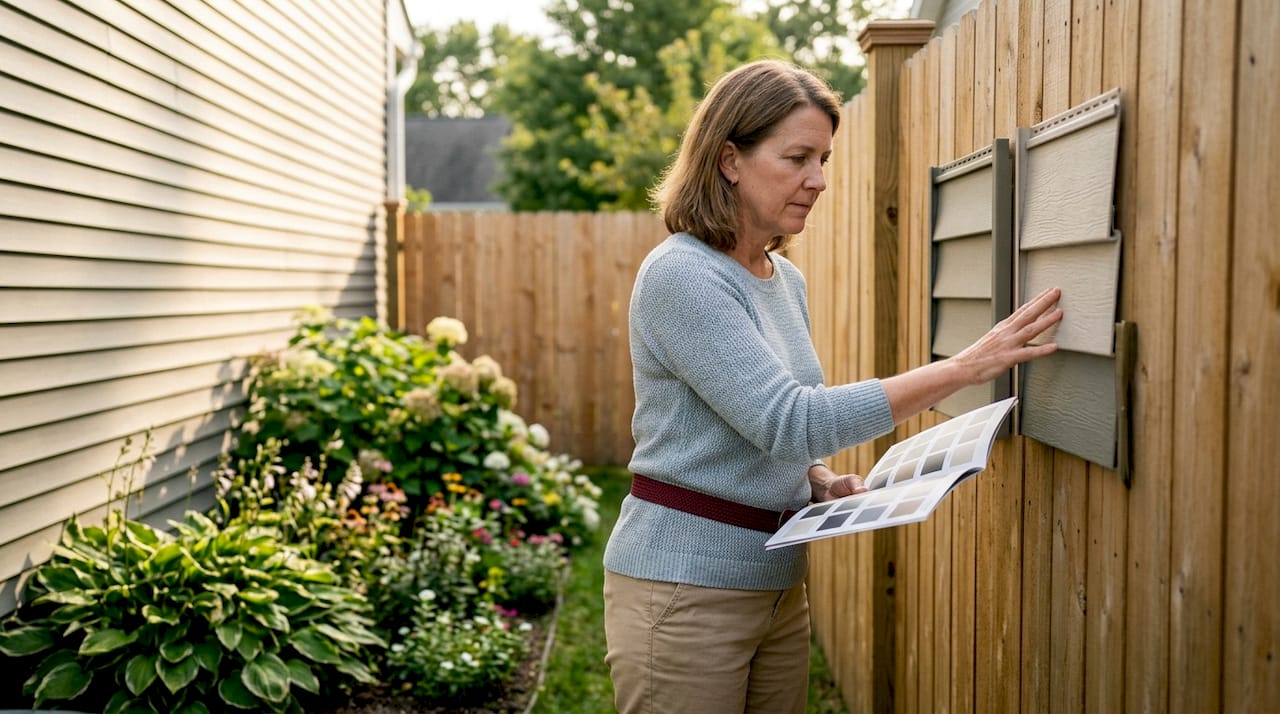
The right siding choice depends on what you own, what you plan to spend, and what you expect in return. Matching material to purpose saves money and prevents regret.
For budget-conscious homeowners:
- Vinyl siding is the most affordable entry point, with low maintenance costs over its 20–30 year life.
- Engineered wood offers a wood look at $3–$8 per square foot, with better durability than natural wood at a similar price.
For property investors focused on return:
- Fiber cement upgrades recoup 70–95% of costs through increased market value and reduced operating expenses. That return rate makes it the top choice for rental properties and homes being prepared for sale.
- Steel siding lasts 40–70+ years with minimal maintenance, which reduces long-term operating costs on investment properties.
For commercial storefronts and mixed-use buildings:
- Metal siding is low maintenance, fire resistant, and available in modern finishes that suit retail and office facades.
- Commercial siding selections must meet ASTM and IBC standards for fire and impact resistance. These requirements exceed what most residential siding products must meet, so working with a contractor experienced in commercial work matters.
For premium residential and curb appeal:
- Brick veneer and natural stone deliver the highest visual impact and the longest lifespans. The upfront cost is significant, but maintenance costs over 50 years are minimal.
- Stucco suits Mediterranean or craftsman-style homes and adds a custom finish that manufactured materials cannot replicate.
You can review a full exterior remodeling checklist to plan your siding project alongside other upgrades like windows, gutters, and roofing. Coordinating these projects together often reduces total labor costs.
Key Takeaways
The most effective siding choice combines the right material, proper installation with moisture barriers, and a match to your climate, budget, and property type.
| Point | Details |
|---|---|
| Cost varies widely | Materials range from $3 per sq ft for engineered wood to $48 for natural stone. |
| Lifespan drives long-term value | Brick lasts up to 100 years; vinyl and engineered wood average 20–30 years. |
| Installation quality matters most | Siding paired with proper air barriers and flashing outperforms any material installed poorly. |
| Fiber cement leads for most homeowners | It balances cost, fire resistance, durability, and low maintenance better than any other mid-range option. |
| Investors should prioritize fiber cement | Fiber cement upgrades recoup 70–95% of costs through property value increases. |
What I’ve learned after 30 years of siding projects in Connecticut
The most common mistake I see homeowners make is choosing a material based on looks alone, then discovering the maintenance requirements two years later. Wood siding looks beautiful on day one. By year five, if it has not been repainted and sealed properly, it starts to fail at the seams and around windows.
The second mistake is treating siding as a standalone product. Every siding job I have seen fail prematurely had one thing in common: the water-resistive barrier behind it was either missing, torn, or improperly lapped. The siding material itself was fine. The system behind it was not. Professional installation planning addresses this before a single panel goes up.
Building codes in Connecticut have also tightened around fire performance and moisture management since 2020. What passed inspection five years ago may not meet current standards today. If your siding is more than 15 years old, a professional evaluation is worth scheduling before problems become visible.
My honest recommendation for most Connecticut homeowners in 2026 is fiber cement, installed over a quality house wrap with proper flashing at every window and door. It is not the cheapest option upfront, but it is the one I have seen perform best over 20 and 30 year periods in this climate.
— Adam
Siding services from Jsignorexteriors for Connecticut homeowners
Choosing the right material is only half the decision. The other half is making sure it gets installed correctly the first time.
Jsignorexteriors has served homeowners and property investors across Connecticut for more than 30 years, specializing in professional siding installation for both residential and commercial properties. The team works with vinyl, fiber cement, engineered wood, metal, and more, matching each material to your property’s needs, local climate, and budget. Every project includes a full assessment of the existing wall assembly, moisture barriers, and flashing details. Contact Jsignorexteriors for a consultation and get a clear plan before any work begins.
FAQ
What is exterior siding?
Exterior siding is the cladding material applied to the outer walls of a building to protect against weather, moisture, and energy loss. It also defines the visual appearance of the structure.
Which siding material lasts the longest?
Brick veneer lasts up to 100 years, making it the longest-lasting common siding material. Natural stone and stucco also exceed 50 years with proper installation and maintenance.
What is the most affordable siding option?
Engineered wood starts at $3 per square foot, making it the most budget-friendly option. Vinyl follows closely at $4.50–$8.20 per square foot and requires very little maintenance over its lifespan.
Does siding affect home energy efficiency?
Yes. Siding works as part of the building envelope, and when paired with insulation and airtight barriers, it significantly reduces heat loss and air infiltration. Insulated vinyl and fiber cement installed over continuous insulation deliver the best thermal performance.
How do I know when to replace my siding?
Bubbling paint, soft spots near windows, visible gaps at seams, or interior moisture stains are all signs that siding is failing. Replacing siding early prevents moisture from reaching structural framing, which is far more expensive to repair.