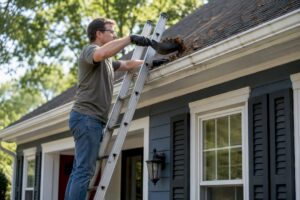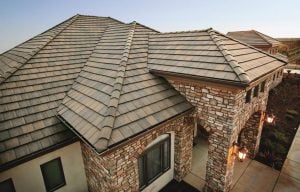

Choosing a commercial roofing contractor means verifying specific credentials, detailed estimates, and proven experience before signing anything. The right contractor protects your building, your warranty, and your budget. The wrong one can leave you with a leaking roof, voided manufacturer coverage, and no legal recourse. Connecticut business owners and homeowners face a wide field of options, so a systematic vetting process is the only reliable way to separate qualified professionals from those who will cut corners the moment your back is turned.
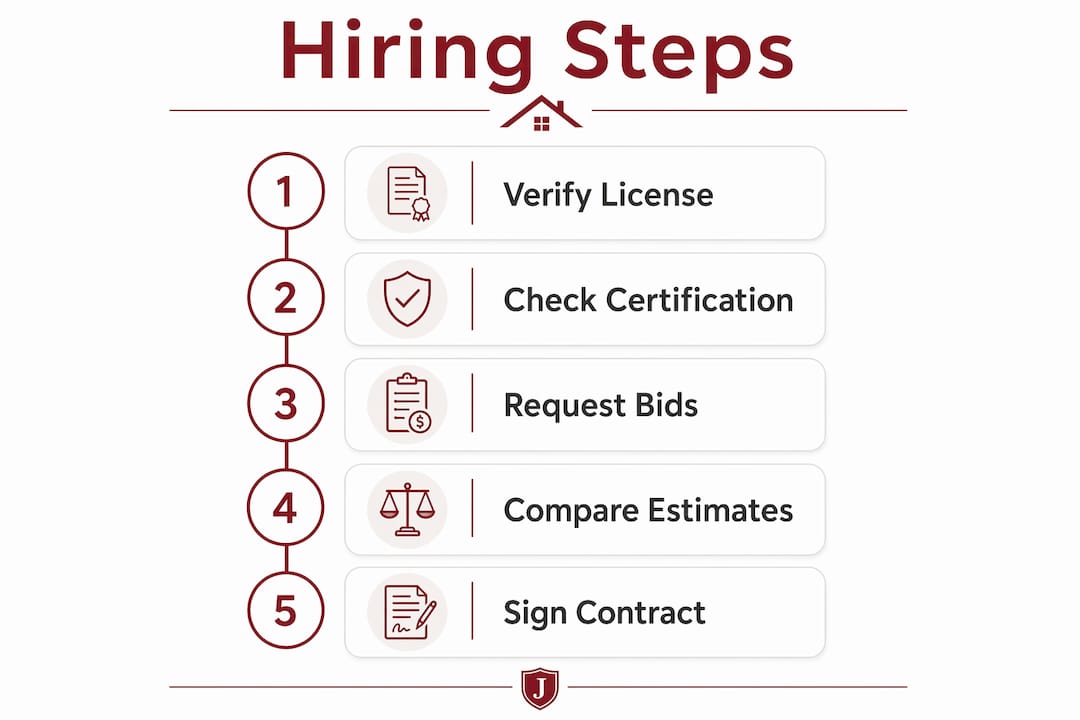
How to choose a commercial roofing contractor: credentials that matter
The single most important credential a commercial roofing contractor can hold is manufacturer certification. This certification confirms that the contractor has completed specific training for a given roofing system and is the only way to qualify for a full manufacturer warranty. Without it, you may receive a workmanship warranty from the contractor but nothing from the material manufacturer, which is where the real long-term protection lives.
Beyond certification, verify that the contractor holds an active state roofing license. Ask for the license number and confirm it directly with the Connecticut Department of Consumer Protection. A legitimate contractor will hand over that number without hesitation.
Insurance is non-negotiable. Require proof of general liability coverage and workers’ compensation before any work begins. If a worker is injured on your property and the contractor carries no workers’ comp, you could be held financially responsible.
Dedicated commercial experience is a separate requirement from general roofing experience. Commercial roofing involves flat or low-slope systems, specific building codes, and safety protocols that residential work does not prepare a contractor for. Experienced commercial contractors understand the unique materials, safety requirements, and code distinctions that set commercial projects apart from residential ones.
- Verify an active state license number with the Connecticut Department of Consumer Protection.
- Require certificates of general liability and workers’ compensation insurance.
- Confirm the contractor holds manufacturer certification for the specific roofing system you plan to install.
- Ask for at least five recent references from commercial projects of similar size and scope.
- Confirm a minimum of five years of dedicated commercial roofing experience, not just general roofing work.
Pro Tip: Any contractor who pressures you to sign a contract on the spot is a red flag. Reputable contractors allow time for review and will not object to you taking at least 48 hours before committing.
What should you request and compare before hiring?
Comparing bids is where most business owners make their biggest mistake. They collect one or two quotes, pick the lowest number, and move on. That approach consistently leads to problems.
Request detailed written estimates from at least three contractors before making any decision. Each estimate should break down labor, materials, disposal fees, permits, and applicable taxes as separate line items. A single lump-sum number tells you nothing useful and makes comparison impossible.
- Collect three detailed written bids. Each bid must itemize labor, materials, disposal, permits, and taxes separately.
- Compare scope, not just price. Confirm that each contractor is quoting the same roofing system, membrane thickness, and warranty terms.
- Flag unusually low bids. Bids 15–25% below market average often signal thinner membranes, inadequate insurance, or hidden shortcuts rather than genuine savings.
- Confirm crew status. Ask directly whether the work will be performed by the contractor’s own employees or by subcontractors.
- Require subcontractor insurance. If subcontractors are involved, require their insurance certificates and confirm they are named in the contract.
- Verify permit responsibility. Confirm in writing which party is responsible for pulling the permit, and verify it independently with your local building department.
A bid that looks like a bargain often costs more in the long run. When a quote comes in significantly below the others, ask the contractor to explain exactly where the savings come from. If the answer is vague, walk away.
Many business owners assume the contractor they vet will personally perform the installation. That assumption is often wrong. Subcontractors are common in commercial roofing, and their qualifications and insurance coverage matter just as much as the primary contractor’s. Get every detail in writing before work begins.
How to protect yourself during and after the project
Signing a contract is not the end of your responsibility. The steps you take during and after installation determine whether you end up with a roof that performs for decades or one that fails within a few years.
- Structure payments in stages. A standard schedule is one-third as a deposit, one-third when materials are delivered, and the final balance only after satisfactory completion and inspection.
- Never release full payment early. Paying in full before the job is done removes your leverage to address deficiencies.
- Request a lien waiver at final payment. A lien waiver at completion protects you from mechanics’ liens filed by unpaid subcontractors, even after you have paid the contractor in full.
- Verify the permit independently. Do not rely on the contractor’s word. Contact your local building department directly to confirm the permit was issued and that all required inspections passed.
- Have someone on-site during installation. You or a trusted representative should be present to monitor progress and flag concerns before they become permanent problems.
Pro Tip: Take dated photos throughout the installation process. If a dispute arises later over workmanship, photographic documentation is your strongest evidence.
The permit and final inspection step is one that business owners routinely skip because they trust the contractor to handle it. That trust is misplaced. An inspection that never happened means your roof may not comply with Connecticut building codes, which can create serious liability and insurance complications down the road.
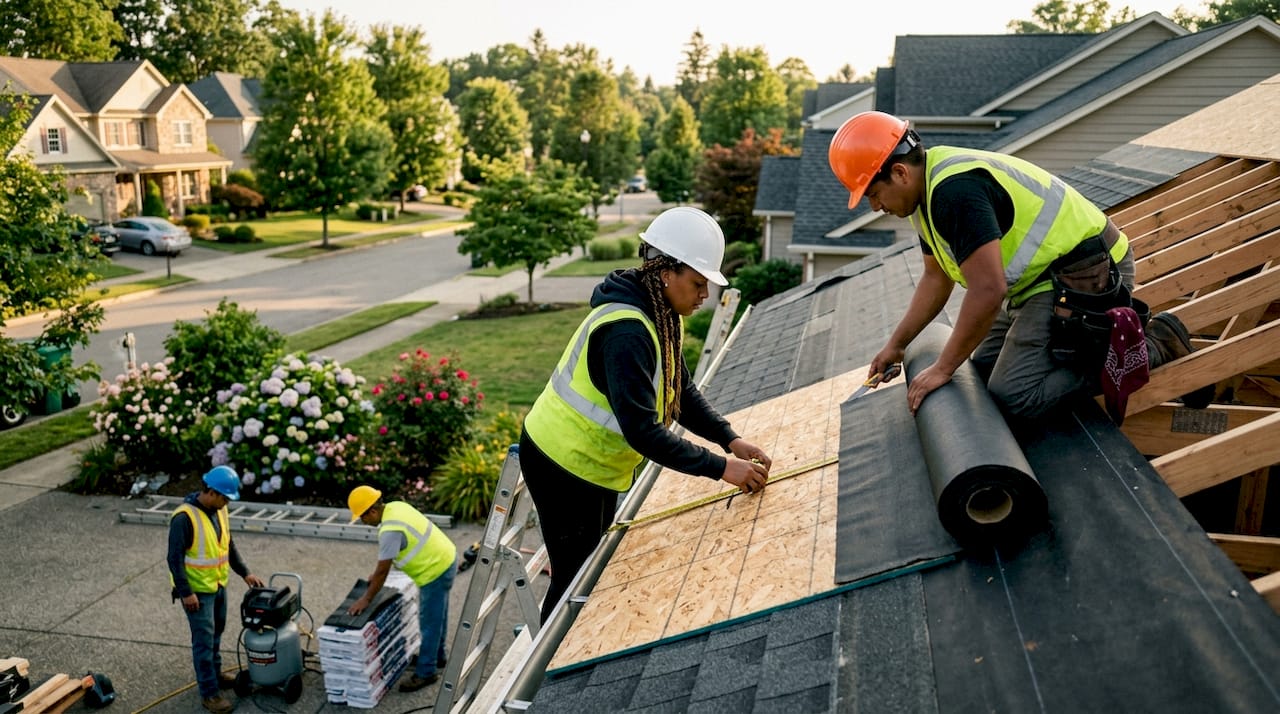
What commercial roofing materials should Connecticut buildings consider?
Connecticut’s climate creates specific demands on commercial roofing systems. Cold winters, freeze-thaw cycles, and wet springs put stress on membranes and seams that warmer climates never experience. The material you choose must be matched to those conditions, and the contractor you hire must be certified to install it.
The four most common commercial roofing systems used in Connecticut are compared below. For a deeper look at how these options stack up, Jsignorexteriors has published a detailed guide on Connecticut roofing material types.
| Material | Best For | Key Advantage | Connecticut Consideration |
|---|---|---|---|
| TPO | Low-slope commercial roofs | Energy-efficient, heat-weldable seams | Performs well in freeze-thaw cycles |
| EPDM | Large flat roofs | Durable, cost-effective | Excellent cold-weather flexibility |
| PVC | Roofs exposed to chemicals or grease | Chemical resistance, strong seams | Good UV and wind resistance |
| Metal | Steep-slope commercial buildings | Long lifespan, low maintenance | Handles heavy snow loads effectively |
Manufacturer certifications are tied directly to specific systems. A contractor certified for TPO installation by a manufacturer like Firestone or GAF holds credentials that allow them to offer that manufacturer’s full warranty. Installing a system without the matching certification voids that warranty entirely. Always ask the contractor to show you their certification documents and the corresponding warranty terms before you approve any materials.
Prefabricated roofing systems, when installed by certified crews, reduce the risk of field errors that cause early failures. Ask your contractor for the manufacturer’s specification sheet for the proposed system and review it alongside the warranty documentation. If the contractor cannot or will not provide these documents, that is a clear signal to look elsewhere.
Key takeaways
Choosing the right commercial roofing contractor requires verifying licensing, manufacturer certification, insurance, and experience before comparing bids or signing any contract.
| Point | Details |
|---|---|
| Manufacturer certification is required | Without it, you lose the manufacturer warranty and have only a contractor workmanship guarantee. |
| Get at least three detailed bids | Compare itemized estimates covering labor, materials, permits, and disposal to make a fair decision. |
| Low bids signal hidden problems | Bids 15–25% below market average often indicate thinner materials or inadequate insurance coverage. |
| Verify permits independently | Contact your local building department directly to confirm permits and inspections before releasing final payment. |
| Request a lien waiver at completion | A signed lien waiver protects your property from mechanics’ liens filed by unpaid subcontractors. |
What most guides get wrong about hiring commercial roofers
Most articles on this topic stop at “check their license and get three quotes.” That advice is correct but incomplete. The detail that actually separates a good outcome from a bad one is understanding who is physically going to be on your roof.
I have seen business owners do everything right on paper, verify the license, check the insurance, collect multiple bids, and still end up with a failed roof because the certified contractor handed the job to an uninsured subcontractor crew with no commercial experience. The contract never addressed it. The business owner never asked. That oversight cost them tens of thousands of dollars in repairs and a protracted legal dispute.
The second mistake I see constantly is choosing a contractor based on price alone. When a bid comes in well below the others, the instinct is to feel like you found a deal. You did not. You found a contractor who is cutting something, and you will not know what until the roof fails.
Patience is the most underrated quality in this process. Take the time to review every contract clause. Ask questions about anything you do not understand. Resist any pressure to sign quickly. A contractor who respects your project will respect your need for time. The ones who push for an immediate signature are protecting their interests, not yours.
Ongoing communication during the project matters just as much as the vetting you do before it starts. Check in regularly, ask for progress updates, and do not wait until the final walkthrough to raise concerns. Roofing problems caught mid-installation are far cheaper to fix than ones discovered after the crew has left.
— Adam
Jsignorexteriors: Connecticut commercial roofing you can verify
Jsignorexteriors has served Connecticut homeowners and business owners for more than 30 years as a fully licensed and insured exterior contractor. The company holds manufacturer certifications that qualify clients for full warranty coverage on installed roofing systems, not just a workmanship guarantee.
Every project starts with a transparent, itemized estimate so you can compare scope and cost with confidence. Jsignorexteriors pulls all required permits and confirms inspections are completed before closing out any job. Local knowledge of Connecticut building codes and climate conditions shapes every recommendation the team makes. To learn more or request a consultation, visit the Connecticut roofing contractor service page and see how Jsignorexteriors approaches commercial projects from the first estimate through final inspection.
FAQ
What credentials should a commercial roofing contractor have?
A qualified commercial roofing contractor must hold an active state license, general liability insurance, workers’ compensation coverage, and manufacturer certification for the specific roofing system being installed. Manufacturer certification is the most critical credential because it is required for a valid manufacturer warranty.
How many bids should I get for a commercial roofing project?
Get at least three detailed written bids from separate contractors, each itemizing labor, materials, disposal, permits, and taxes. Comparing itemized bids is the only reliable way to evaluate scope and price fairly.
Why are some roofing bids much lower than others?
Bids that come in 15–25% below the market average often reflect thinner roofing membranes, inadequate insurance, or other shortcuts. A low price rarely means a better deal on a commercial roofing project.
What is a lien waiver and why do I need one?
A lien waiver is a signed document from the contractor confirming that all subcontractors and suppliers have been paid. Requesting a lien waiver at final payment protects your property from mechanics’ liens filed by unpaid parties even after you have paid the contractor in full.
How do I verify a roofing permit in Connecticut?
Contact your local Connecticut building department directly and ask them to confirm the permit number, issuance date, and inspection status. Never rely solely on the contractor’s confirmation, since independent verification is the only way to be certain the work is code-compliant.