Built-up roofing (BUR) is defined as a multi-layered roofing membrane made by alternating bitumen and reinforcing felts to create a continuous, waterproof barrier for flat and low-slope roofs. The industry term is “built-up roofing” or simply “BUR,” and it has been a standard in commercial and institutional construction for well over a century. BUR systems are known for their redundancy, fire resistance, and long service life. A properly installed system can last 20–30 years, with well-maintained roofs exceeding 40 years. If you own a flat-roof building in Connecticut or anywhere with demanding weather, understanding BUR helps you make a smarter long-term investment.
What is built-up roofing and how is it constructed?
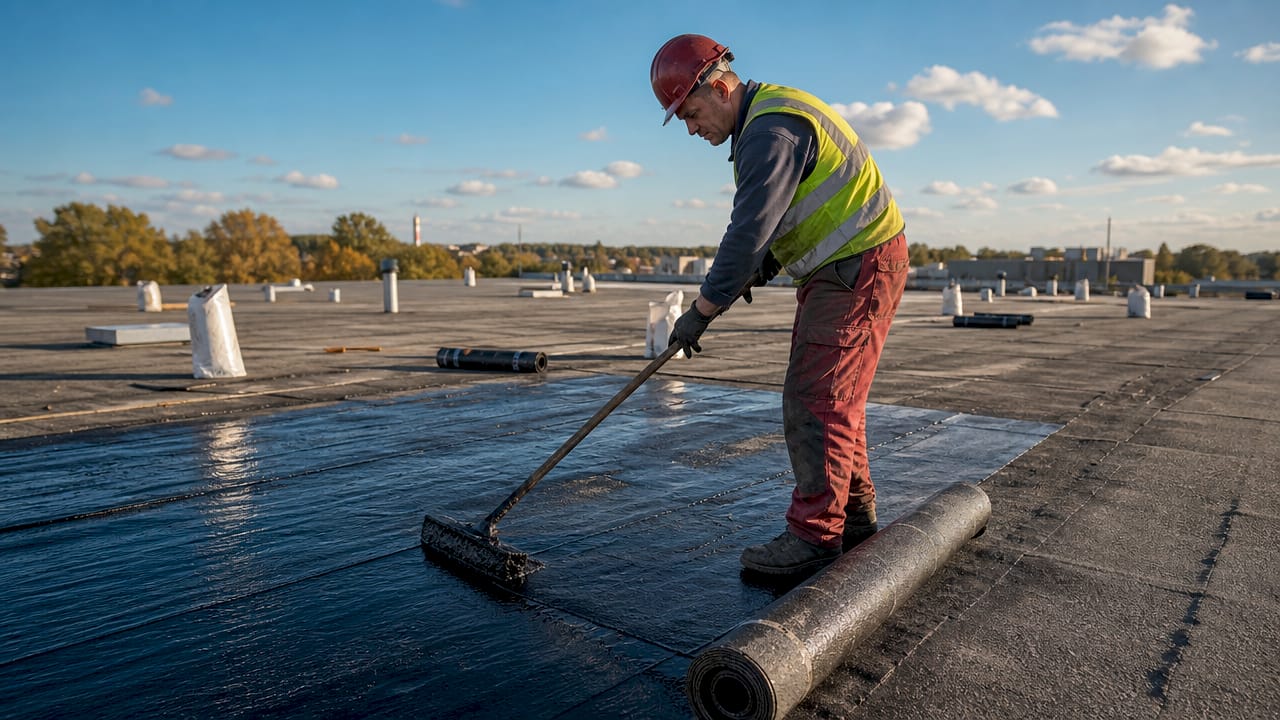
BUR systems are built layer by layer directly on the roof deck. The process starts with a base sheet fastened to the deck, followed by alternating plies of reinforcing felt embedded in hot-applied bitumen. Typical assemblies use 3–5 plies, with each ply adding roughly 1/16 inch of thickness. The final layer is a surfacing material that protects the membrane from the elements.
The key materials in a BUR system
The two core materials are bitumen and reinforcing felts. Bitumen comes in two forms: asphalt, which is the most common, and coal tar, which offers superior resistance to standing water. Reinforcing felts are made from fiberglass or polyester mats that give each ply its tensile strength. Together, they form what contractors call a monolithic membrane, meaning there are no seams to fail.
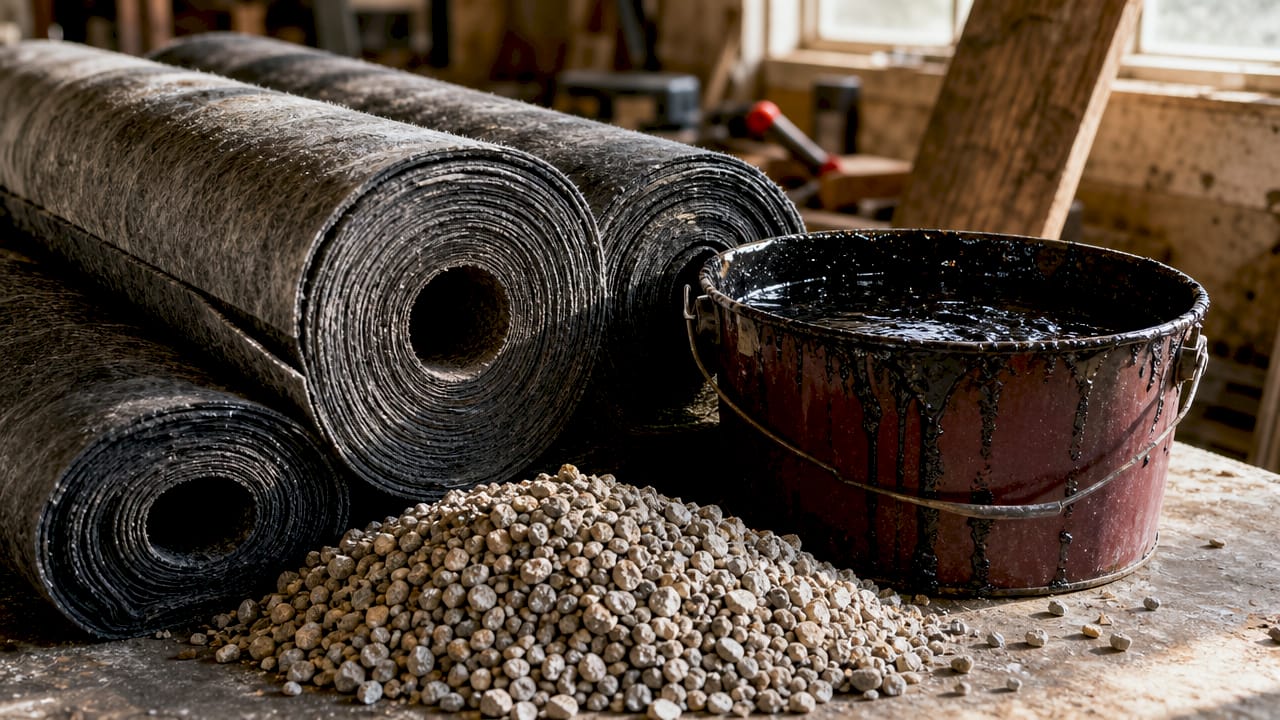
Surfacing options vary by performance goal. Aggregate gravel, mineral-surfaced cap sheets, and reflective coatings are the three main choices. Gravel is the most traditional and provides excellent UV and impact protection. Reflective coatings reduce heat absorption, which lowers cooling costs in warm climates.
| Layer | Material | Primary Role |
|---|---|---|
| Base sheet | Fiberglass or polyester felt | Anchors system to deck |
| Ply sheets (3–5 layers) | Felt embedded in hot bitumen | Waterproofing and redundancy |
| Interply bitumen | Asphalt or coal tar | Bonds plies, seals membrane |
| Surfacing | Gravel, cap sheet, or coating | UV protection, durability |
Pro Tip: Ask your contractor to show you the felt overlap pattern before work begins. Staggered overlaps prevent a single line of weakness across the membrane. Contractors who skip this step reduce the system’s integrity significantly.
What are the advantages of built-up roofing?
BUR’s biggest advantage is redundancy. Multiple independent waterproof layers mean that if one ply is damaged, the layers beneath it continue protecting the building. This is fundamentally different from single-ply systems, where one puncture or seam failure can allow water directly into the structure.
The fire resistance of BUR is another standout feature. Hot-applied bitumen creates a seamless membrane capable of achieving a UL Class A fire rating, the highest available classification. That rating matters for insurance costs and building code compliance, especially on commercial properties.
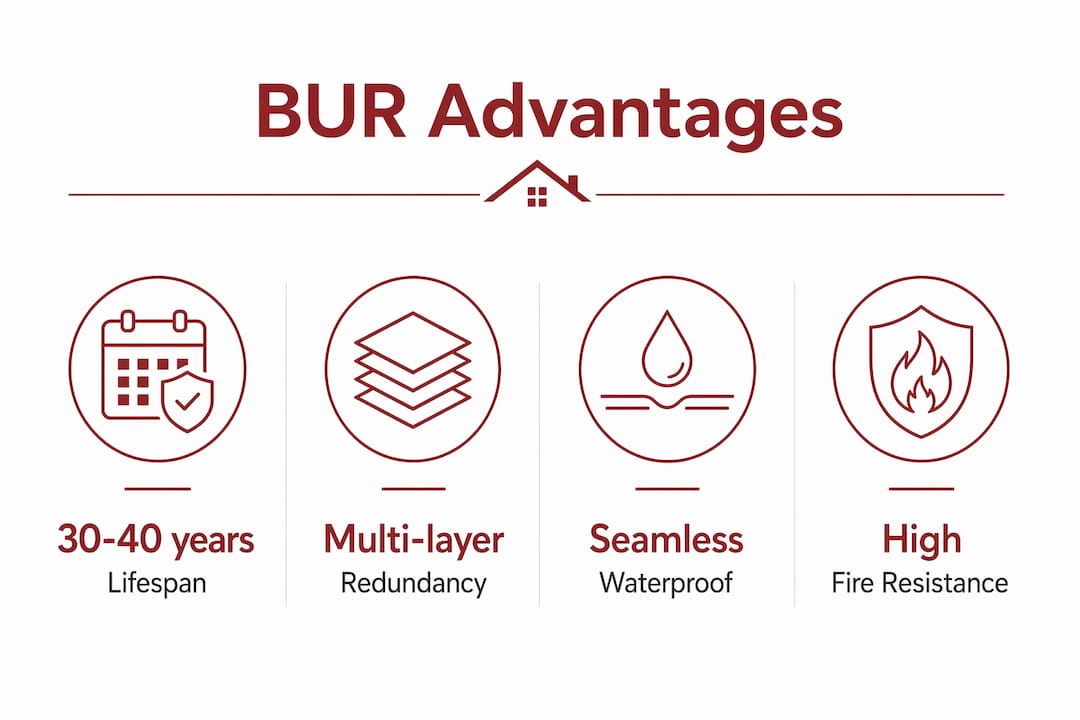
BUR also handles physical abuse well. The gravel surface resists foot traffic from HVAC technicians, hail impact, and UV degradation. For buildings where rooftop equipment requires regular maintenance access, this durability is a practical necessity, not just a selling point.
Key advantages of built-up roofing systems:
- Lifespan: 20–30 years standard, over 40 years with maintenance
- Waterproofing: No seams means no seam failures, unlike single-ply alternatives
- Fire resistance: UL Class A rating achievable with proper assembly
- Foot traffic tolerance: Gravel surface handles regular rooftop access
- Standing water performance: Monolithic construction prevents seam leakage on low-slope roofs
- Damage tolerance: Isolated damage can be repaired before water reaches the interior
“BUR’s sandwich construction provides superior handling of structural movements and mechanical abuse compared to single-ply membranes. The redundant layers serve as an insurance policy preventing leaks.”
How does built-up roofing compare to other flat roofing types?
Flat roofing comes in several forms, and each has a different performance profile. BUR competes primarily with single-ply membranes and modified bitumen systems. Understanding the differences helps you choose the right system for your building’s needs and budget.
Single-ply membranes, such as TPO, install faster and cost less upfront. The trade-off is that they rely on a single layer with heat-welded seams. BUR’s redundant layers act as insurance against the kind of seam failures that plague single-ply systems, especially in climates with freeze-thaw cycles like Connecticut. Modified bitumen is a middle-ground option: it uses factory-modified asphalt in sheet form, offering some redundancy but not the full multi-ply depth of BUR.
For a detailed cost and performance breakdown across Connecticut’s climate conditions, the commercial roofing material comparison from Jsignorexteriors covers the key differences.
| Factor | BUR | Single-ply membrane | Modified bitumen |
|---|---|---|---|
| Lifespan | 20–40+ years | 15–25 years | 15–25 years |
| Redundancy | High (3–5 plies) | None (single layer) | Moderate (1–2 layers) |
| Seam vulnerability | None (seamless) | High | Moderate |
| Installation complexity | High | Low to moderate | Moderate |
| Foot traffic tolerance | Excellent | Poor to moderate | Moderate |
| Best use case | High-traffic, long-term ownership | Budget-focused, quick install | Moderate traffic, mid-range budget |
Pro Tip: BUR is heavier and more labor-intensive than single-ply alternatives. Higher upfront costs are offset by superior long-term ROI for buildings held 20 or more years. Run the numbers over a 30-year horizon before choosing based on price alone.
What maintenance practices extend built-up roofing longevity?
BUR’s layered construction gives you an early warning advantage. Because damage must penetrate multiple plies before reaching the deck, you often catch problems during routine inspection before they become expensive repairs. That advantage only holds if you actually schedule those inspections.
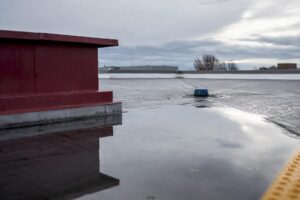
Twice-yearly inspections, typically in spring and fall, are the standard practice for BUR systems. A qualified inspector checks for gravel displacement, surface cracks, blistering, and blocked drains. Gravel tends to migrate toward drains over time, which restricts water flow and accelerates ponding. Redistributing gravel and clearing drains is low-cost maintenance that prevents high-cost damage.
Gravel surfacing adds up to 600 pounds of dead load per 100 square feet. Before any BUR installation or re-roofing, a structural engineer should verify the deck can handle that weight. Skipping this step is one of the most common and costly mistakes property owners make.
Key maintenance tasks for BUR systems:
- Inspect twice yearly and after major storms
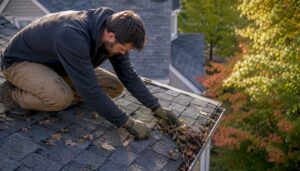
- Clear roof drains and scuppers of debris
- Redistribute displaced gravel to maintain even coverage
- Seal surface cracks with compatible bitumen patching compound
- Check flashing at walls, curbs, and penetrations for separation
- Coordinate with HVAC professionals to shut down air intakes during any hot-bitumen repair work to prevent fumes from entering the building
Choosing a contractor with documented BUR experience matters more than price. Ask specifically whether they use staggered felt overlaps and how they handle flashing at roof penetrations. Those two details separate quality installations from shortcuts.
Is built-up roofing a good fit for your property?
BUR systems are best suited for commercial, industrial, and institutional buildings with flat or low-slope roofs. They are not typically recommended for residential steep-slope roofs. If your building has rooftop HVAC equipment, solar panels, or other systems requiring regular access, BUR’s durable gravel surface handles that traffic better than most alternatives.
Long-term ownership is the key financial qualifier. BUR costs more upfront than single-ply options, but its 30-to-40-year lifespan means fewer replacement cycles over the life of a building. For a property you plan to hold for decades, that math favors BUR. For a building you plan to sell in five years, a less expensive single-ply system may be the practical choice.
For more context on roof lifespan expectations across different systems, Jsignorexteriors has a detailed breakdown worth reviewing before you commit to any roofing material.
Use this checklist to assess BUR suitability for your property:
- Roof slope is flat or low (less than 2:12 pitch)
- Building structure can support the added dead load of gravel surfacing
- You plan to own the building for 20 or more years
- The roof experiences regular foot traffic from maintenance personnel
- Your climate includes heavy rain, freeze-thaw cycles, or intense UV exposure
- You want a fire-resistant system with a UL Class A rating potential
Key Takeaways
Built-up roofing is the most durable flat roofing system available for long-term ownership, combining multi-ply redundancy, seamless waterproofing, and UL Class A fire resistance into a single assembly.
| Point | Details |
|---|---|
| Core construction | BUR uses 3–5 alternating plies of felt and bitumen to create a seamless, redundant membrane. |
| Lifespan advantage | A well-maintained BUR system lasts 20–40+ years, outperforming most single-ply alternatives. |
| Fire and water resistance | Seamless hot-applied construction achieves UL Class A fire ratings and eliminates seam leakage. |
| Structural requirement | Gravel surfacing adds up to 600 lbs per 100 sq ft; structural verification is required before installation. |
| Best-fit scenario | BUR suits flat-roof buildings with heavy foot traffic and owners planning long-term occupancy. |
Why BUR still earns its place on serious buildings
After more than 30 years working on exterior projects across Connecticut, I have seen a lot of roofing trends come and go. Single-ply systems got faster and cheaper, and for a while it seemed like BUR was going to fade out. It has not, and the reason is simple: redundancy is not a feature you appreciate until you need it.
The buildings where I have seen BUR perform best are the ones with rooftop mechanical equipment, heavy snow loads, and owners who plan to be in the same building for 30 years. Those owners are not looking for the cheapest install. They are looking for the system that will not surprise them with a $50,000 deck replacement because a single seam failed in year 12.
The one mistake I see repeatedly is owners choosing contractors based on price and getting a system with improper felt overlaps. That single shortcut eliminates the redundancy that makes BUR worth the investment. When you are evaluating bids, ask every contractor to walk you through their overlap pattern. If they cannot answer that question clearly, move on.
BUR is not the right choice for every building. But for flat-roof commercial properties with serious longevity goals, it remains the most proven option available.
— Adam
Jsignorexteriors: professional built-up roofing in Connecticut
Jsignorexteriors has been installing and maintaining roofing systems across Connecticut for more than 30 years. The team understands BUR’s specific requirements, from structural load verification to proper felt overlap technique and HVAC coordination during hot-bitumen work.
Whether you need a full BUR installation, a maintenance inspection, or a second opinion on a contractor’s bid, Jsignorexteriors delivers the craftsmanship and transparency that flat-roof projects demand. As a fully licensed and insured roofing contractor in Connecticut, the company serves homeowners and business owners throughout the state with the same attention to detail on every project. Contact Jsignorexteriors to schedule a consultation and get an honest assessment of your flat roof.
FAQ
What is built-up roofing made of?
Built-up roofing is made of alternating layers of reinforcing felt (fiberglass or polyester) and hot-applied bitumen (asphalt or coal tar), topped with gravel, a mineral-surfaced cap sheet, or a reflective coating.
How long does a built-up roof last?
A standard BUR system lasts 20–30 years, and well-maintained systems can exceed 40 years. Lifespan depends on installation quality, surfacing type, and how consistently the roof is inspected and maintained.
Is built-up roofing good for residential homes?
BUR is best suited for flat or low-slope commercial, industrial, and institutional roofs. It is not typically recommended for residential steep-slope roofs due to its weight and installation requirements.
How does built-up roofing handle standing water?
BUR’s seamless, hot-applied construction eliminates the seam failures that cause leaks in single-ply systems. This makes it one of the most reliable options for low-slope roofs where water pools temporarily after heavy rain.
What does built-up roofing installation cost?
US installation costs for BUR systems range from $7.00 to $14.00 per square foot depending on the number of plies, surfacing type, and local labor rates. The higher upfront cost is offset by a longer lifespan compared to less expensive single-ply alternatives.