One of the most common questions homeowners ask is, “How long should a roof last?” The answer depends on several factors, including the roofing material, installation quality, ventilation, weather conditions, and how well the roof has been maintained over time.
For homeowners in Connecticut, roof lifespan is especially important because roofing systems must withstand snow, ice, rain, humidity, strong winds, and major temperature swings throughout the year. Understanding the average lifespan of different roofing materials can help you plan ahead, budget properly, and avoid costly surprises.
If you are working with a trusted roofing contractor in Connecticut, they can help evaluate the condition of your roof and determine whether repairs or replacement make the most sense for your home.
Average Lifespan of Common Roofing Materials
Different roofing materials offer different levels of durability and longevity.
Asphalt Shingle Roofs
Asphalt shingles are the most common roofing material used throughout Connecticut. On average:
- Basic 3-tab shingles last around 15–20 years
- Architectural shingles typically last 25–30 years
Architectural shingles are more durable and better equipped to handle harsh New England weather conditions.
Metal Roofs
Metal roofing systems are known for their exceptional lifespan and durability. Most metal roofs can last between:
- 40–70 years
Metal roofing is becoming increasingly popular in Connecticut because it performs well against snow, ice, and moisture while requiring less long-term maintenance.
Homeowners comparing roofing systems often research roof replacement services to better understand the long-term value of asphalt versus metal roofing.
Cedar Shake Roofs
Cedar shake roofs typically last:
- 25–40 years
However, they require consistent maintenance and proper ventilation to prevent moisture damage and rot.
Slate Roofs
Slate roofing is one of the longest-lasting roofing materials available.
A properly installed slate roof can last:
- 75–100+ years
While slate roofs are expensive upfront, they offer unmatched longevity and timeless curb appeal.
What Impacts the Lifespan of a Roof?
Several factors can either extend or shorten the life of your roof.
Installation Quality
Even the best roofing materials can fail early if they are installed incorrectly. Proper flashing, ventilation, underlayment, and shingle placement all play major roles in roof performance.
Poor installation is one of the leading causes of premature roof failure.
That’s why working with experienced roofing contractors in Hartford CT and throughout Connecticut is critical when replacing a roof.
Connecticut Weather Conditions
Connecticut weather can be extremely demanding on roofing systems.
Roofs in New England regularly deal with:
- snow accumulation
- ice dams
- heavy rain
- humidity
- wind damage
- freeze/thaw cycles
These conditions naturally wear roofing materials down over time.
Attic Ventilation
Proper attic ventilation helps regulate temperature and moisture levels inside the home.
Poor ventilation can lead to:
- trapped heat
- moisture buildup
- mold growth
- shingle deterioration
- shortened roof lifespan
Ventilation problems are often overlooked but can significantly impact how long a roof lasts.
Roof Maintenance
Regular maintenance can greatly extend the lifespan of a roof.
Important maintenance tasks include:
- cleaning gutters
- removing debris
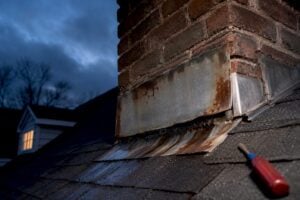
- inspecting flashing
- checking for missing shingles
- addressing leaks early
- scheduling professional roof inspections
Small problems become expensive repairs when left untreated for too long.
Signs Your Roof May Be Nearing the End of Its Lifespan
Even if your roof has not started leaking yet, there are several warning signs that may indicate it is approaching the end of its useful life.
Common signs include:
- curling shingles
- cracked shingles
- missing shingles
- sagging roof sections
- water stains on ceilings
- moss or algae growth
- excessive granules in gutters
- recurring roof leaks
If you notice these problems, it may be time to schedule a professional roofing inspection.
Can a Roof Last Longer Than Its Expected Lifespan?
Yes — in some cases, roofs can outlast their expected lifespan if they:
- were installed properly
- use high-quality materials
- receive regular maintenance
- have proper ventilation
- avoid major storm damage
However, once a roof begins showing consistent signs of aging, repairs may become more expensive and less effective over time.
Should You Repair or Replace an Aging Roof?
The answer depends on the condition of the roof and the extent of the damage.
Roof repairs may make sense if:
- damage is isolated
- the roof is relatively new
- leaks are minor
A full replacement is often recommended if:
- the roof is older
- problems are widespread
- leaks continue returning
- structural damage exists underneath
An experienced roofing contractor can help determine the most cost-effective long-term solution for your home.
How to Extend the Lifespan of Your Roof
Homeowners can help maximize roof lifespan by:
- scheduling regular inspections
- improving attic ventilation
- cleaning gutters regularly
- repairing damage early
- trimming overhanging trees
- replacing damaged shingles quickly
Preventative maintenance is one of the best ways to protect your roofing investment.
Get a Professional Roof Inspection From J. Signor Exteriors
At J. Signor Exteriors, we help homeowners throughout Connecticut understand the condition, lifespan, and long-term performance of their roofing systems. Whether you need a roof inspection, repairs, or a full roof replacement, our team is committed to delivering quality workmanship and honest guidance every step of the way.
If you are unsure how much life your roof has left, contact our team today to schedule a professional inspection and roofing estimate.